Dylan Flicker
PhD Student in Archaeology
Harvard University
About Me
Research Interests:
Homo sapiens origins, lithic analysis, Middle Stone Age Archaeology, cultural evolution, off-site archaeology, geospatial archaeology, paleodemography.
Biography:
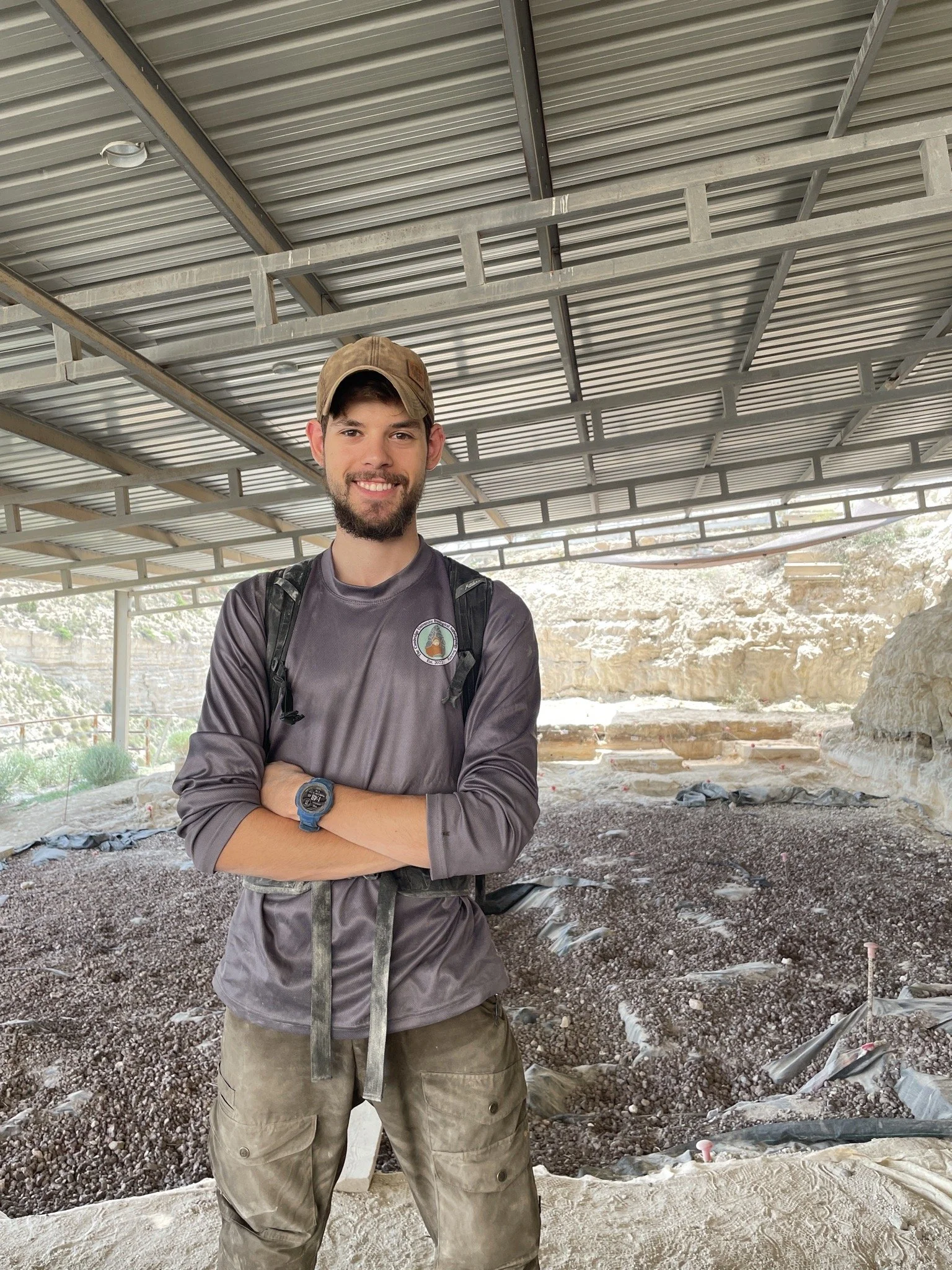
Dylan Flicker is a PhD student in Archaeology at Harvard University, where he specializes in the study of Palaeolithic stone tool technologies and the evolutionary history of Homo sapiens.
His doctoral research will evaluate the competing hypotheses for the origins of our species in Africa with a particular focus on reassessing the fossil and Middle Stone Age (MSA) lithic evidence from North Africa. By integrating archaeology, palaeoanthropological, and comparative phylogenetic approaches, his work aims to clarify how regional variability in the African record informs broader models of modern human origins.
Dylan earned a BA (Hons.) in Archaeology from the University of Cambridge and an MPhil in Biological Anthropological Sciences, also at Cambridge. His previous research includes studies of MSA and LSA assemblages from the Turkana Basin, the temporality of the Lomekwian-Oldowan transition, and the palaeoenvironment of the Witwatersrand Basin. His research has been published in the Journal of Archaeological Science: Reports and the Journal of Quaternary Science.
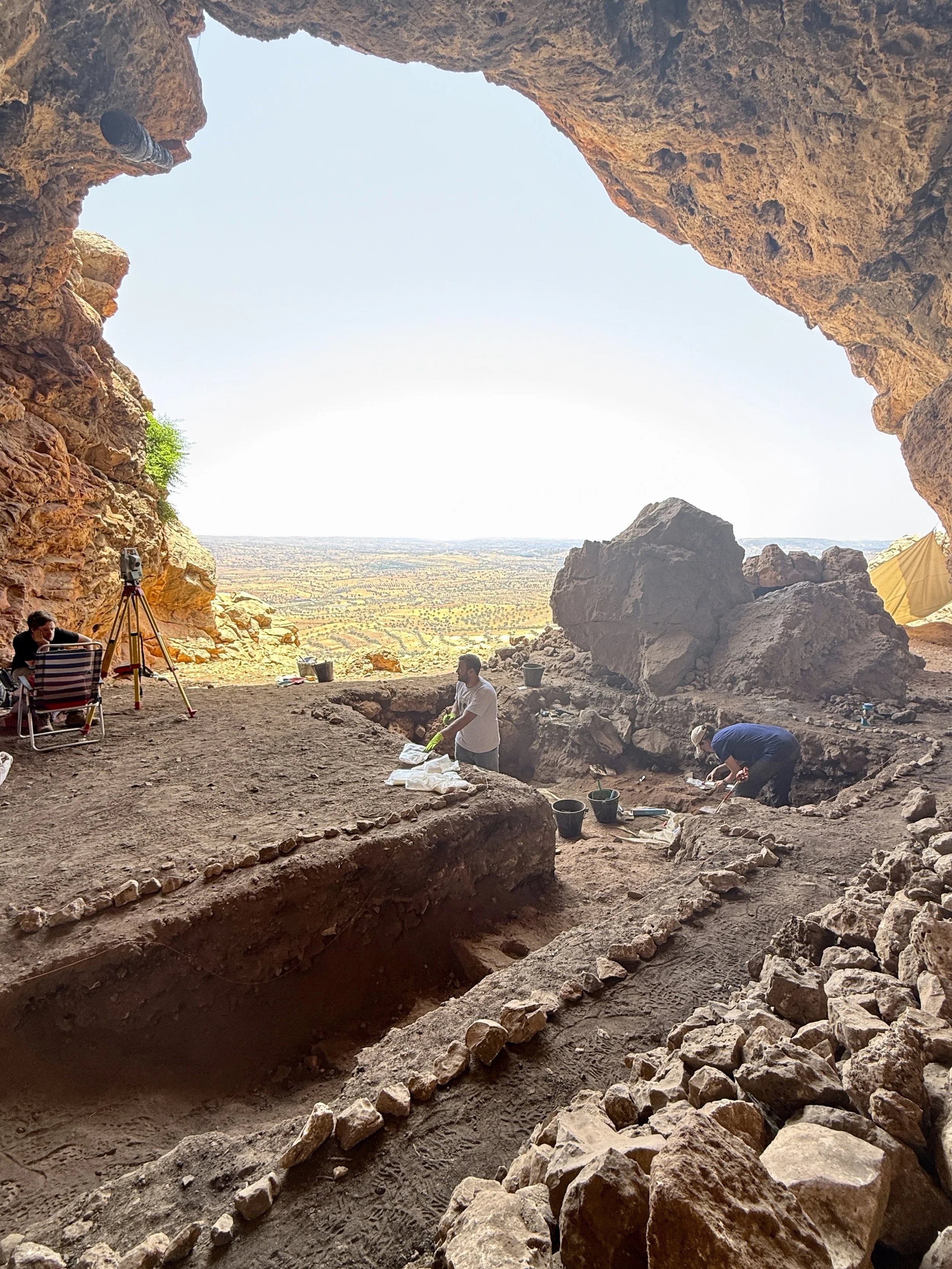
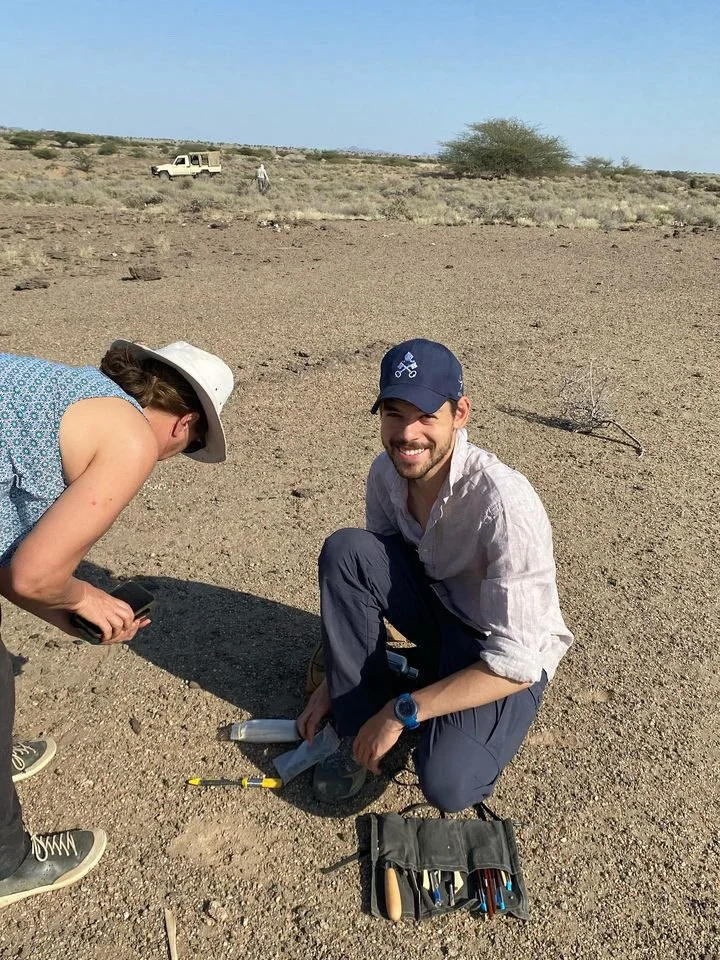
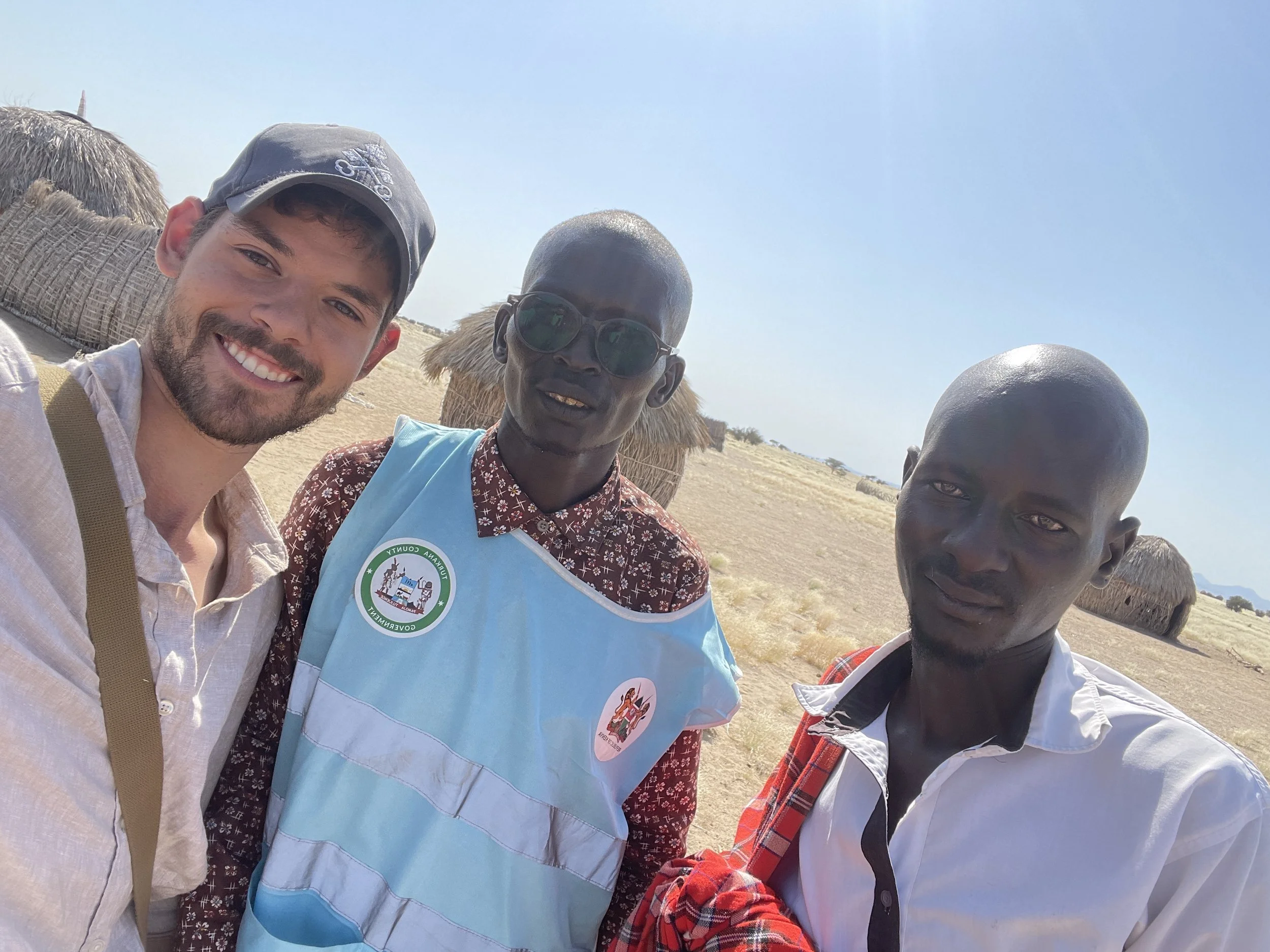
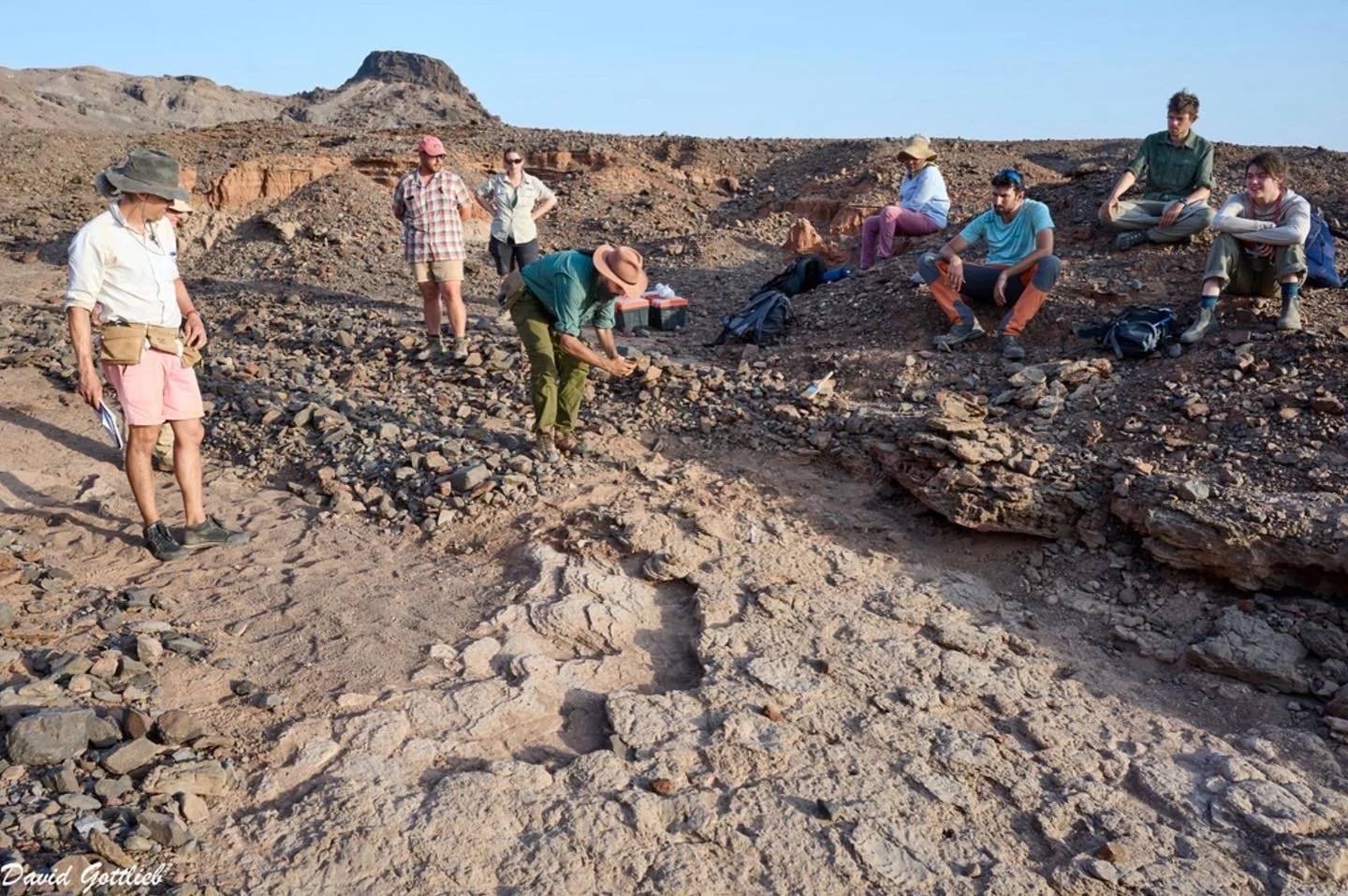
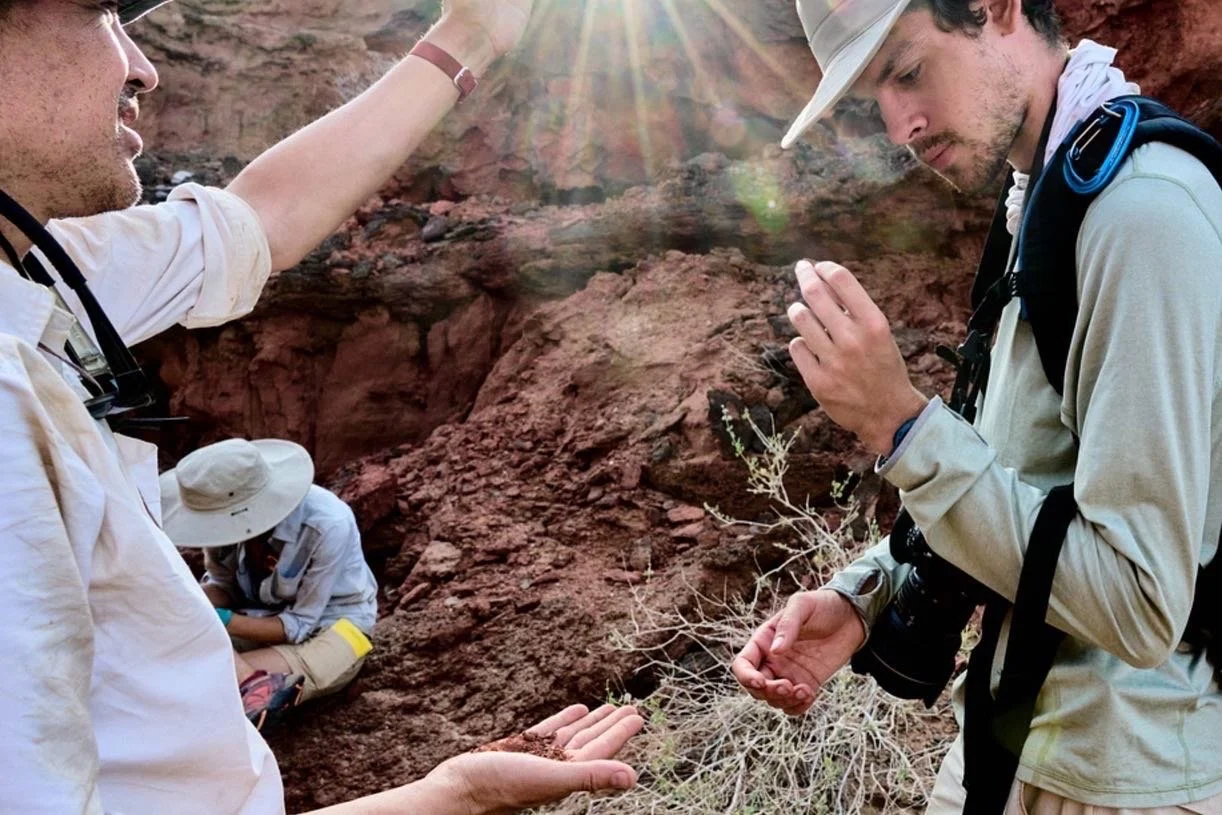
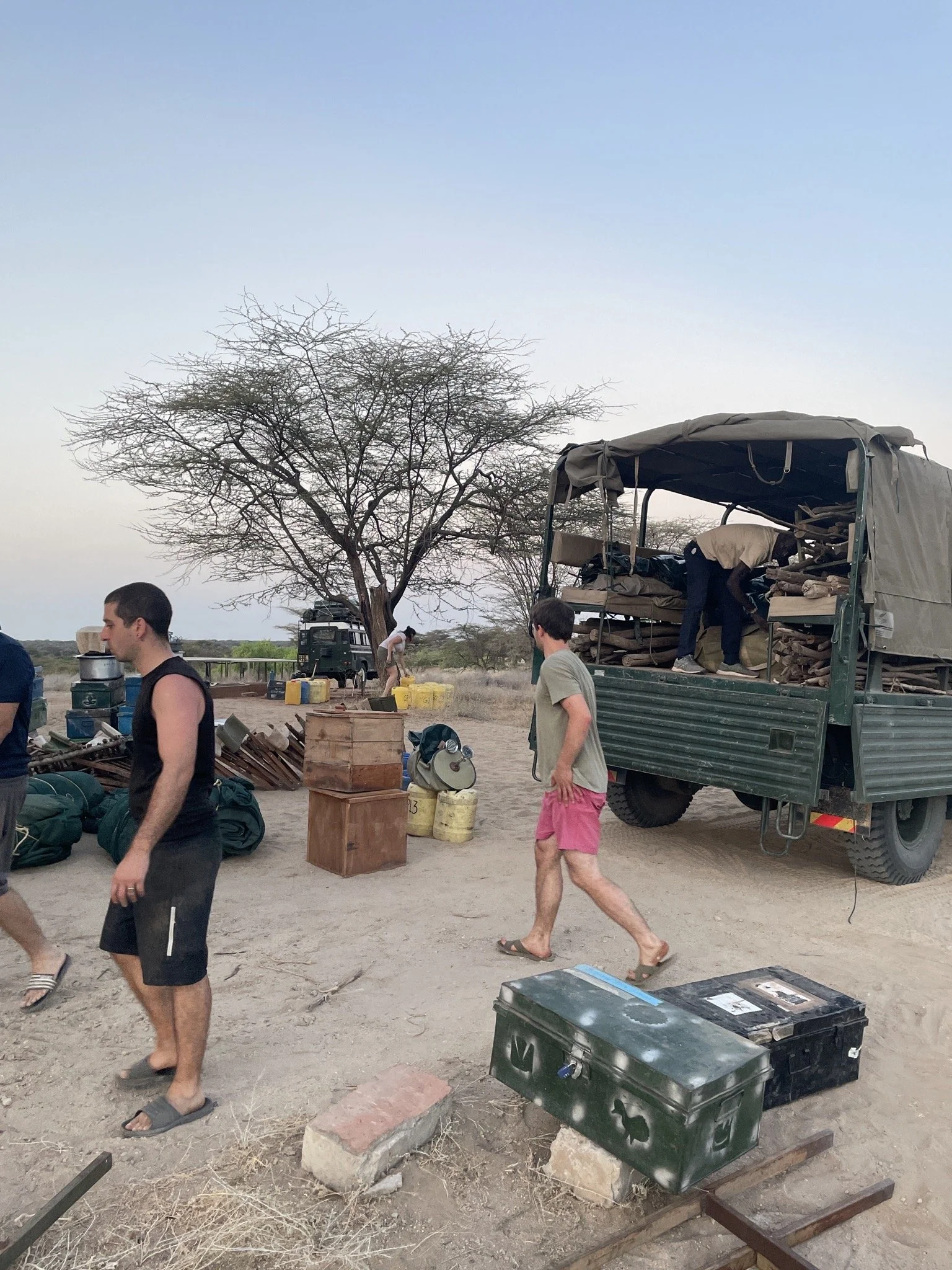
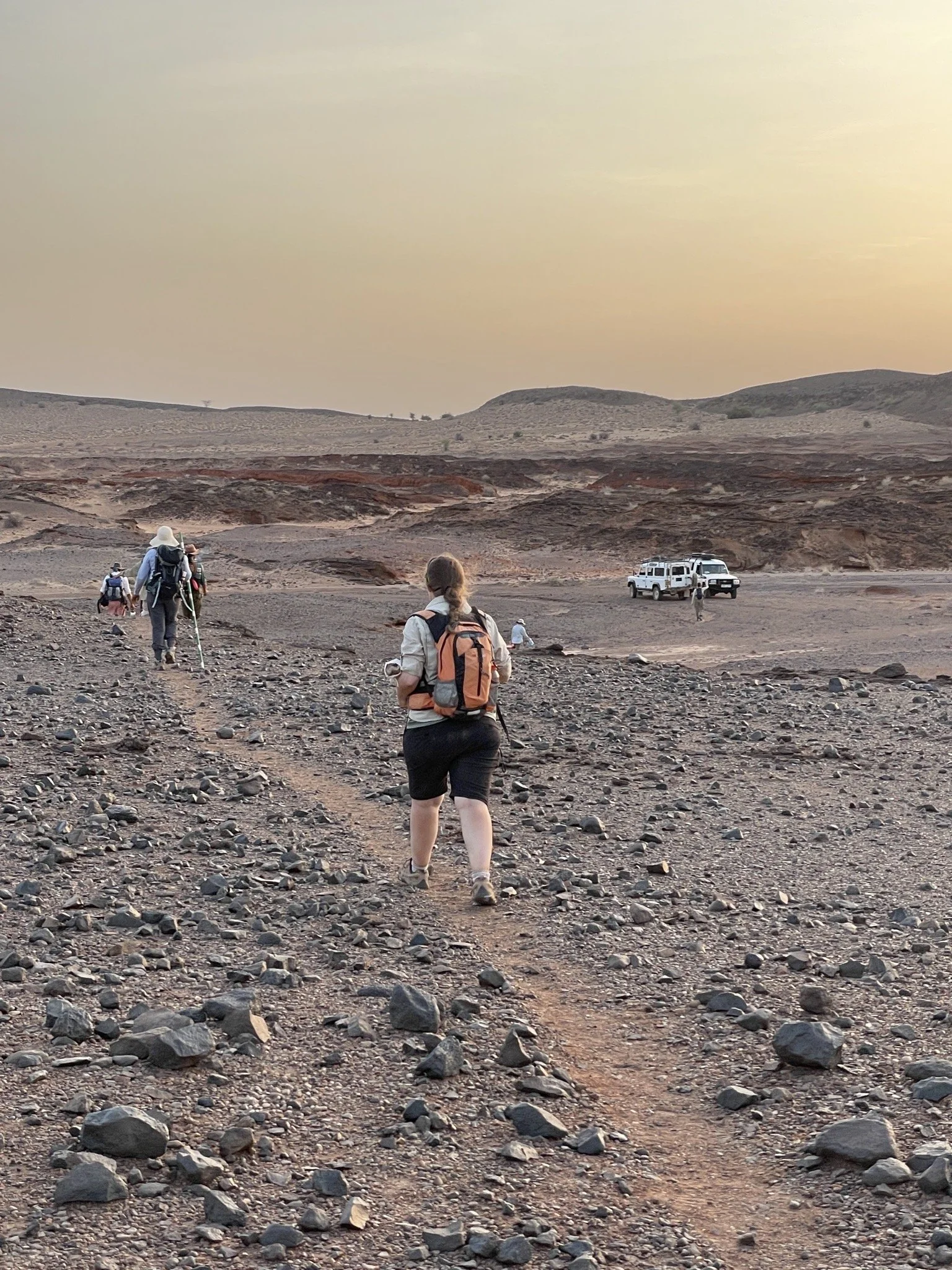
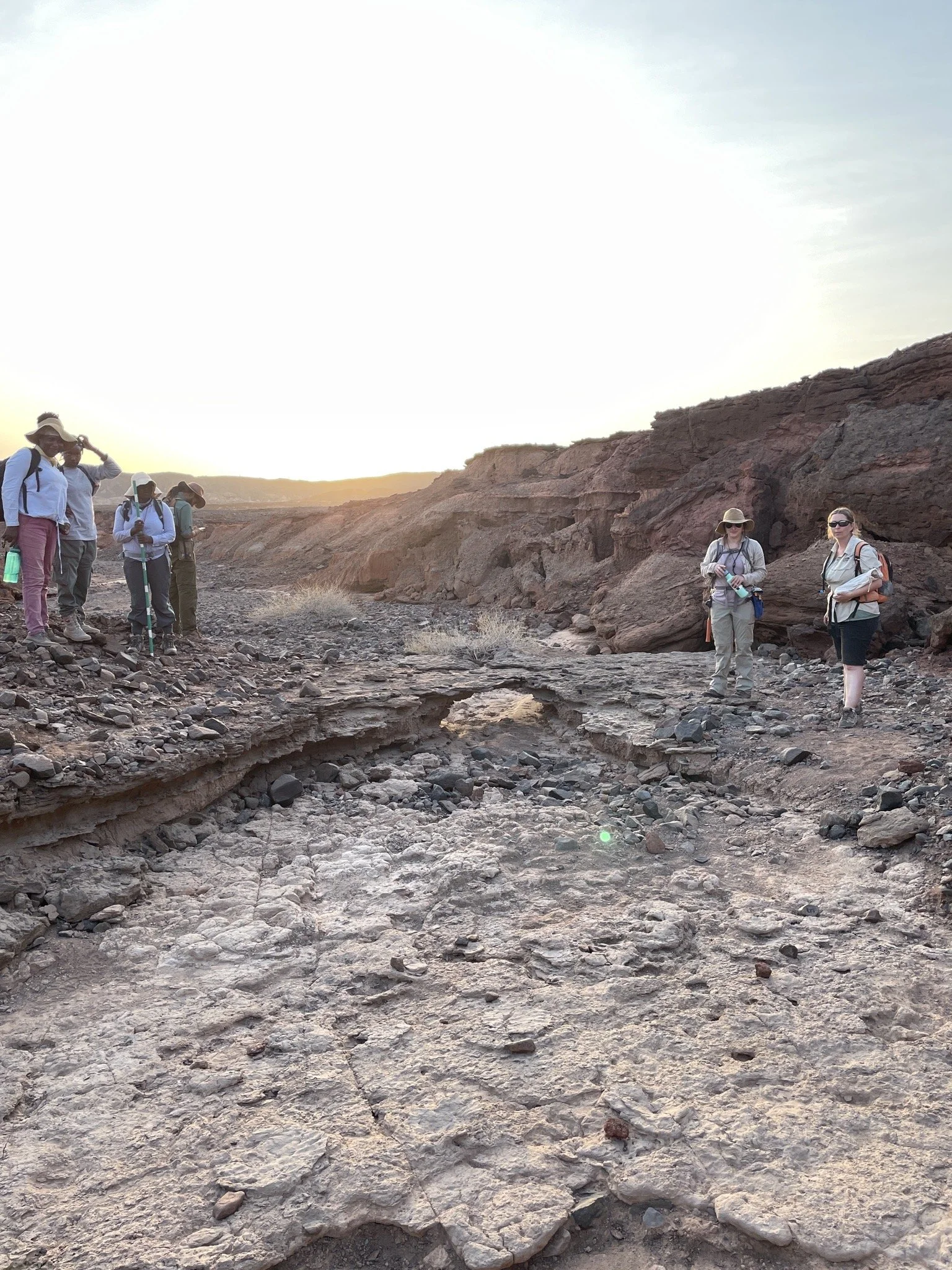
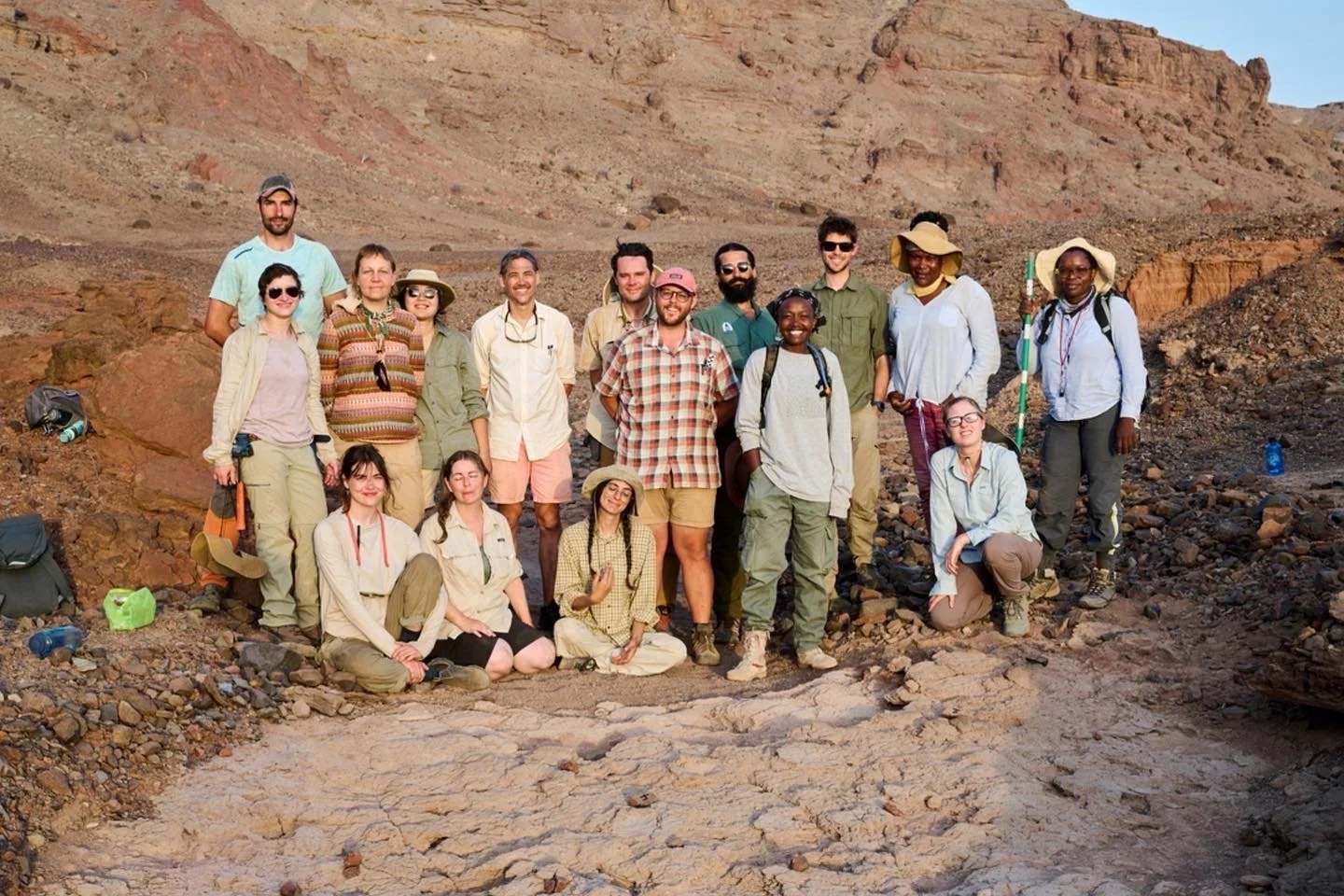
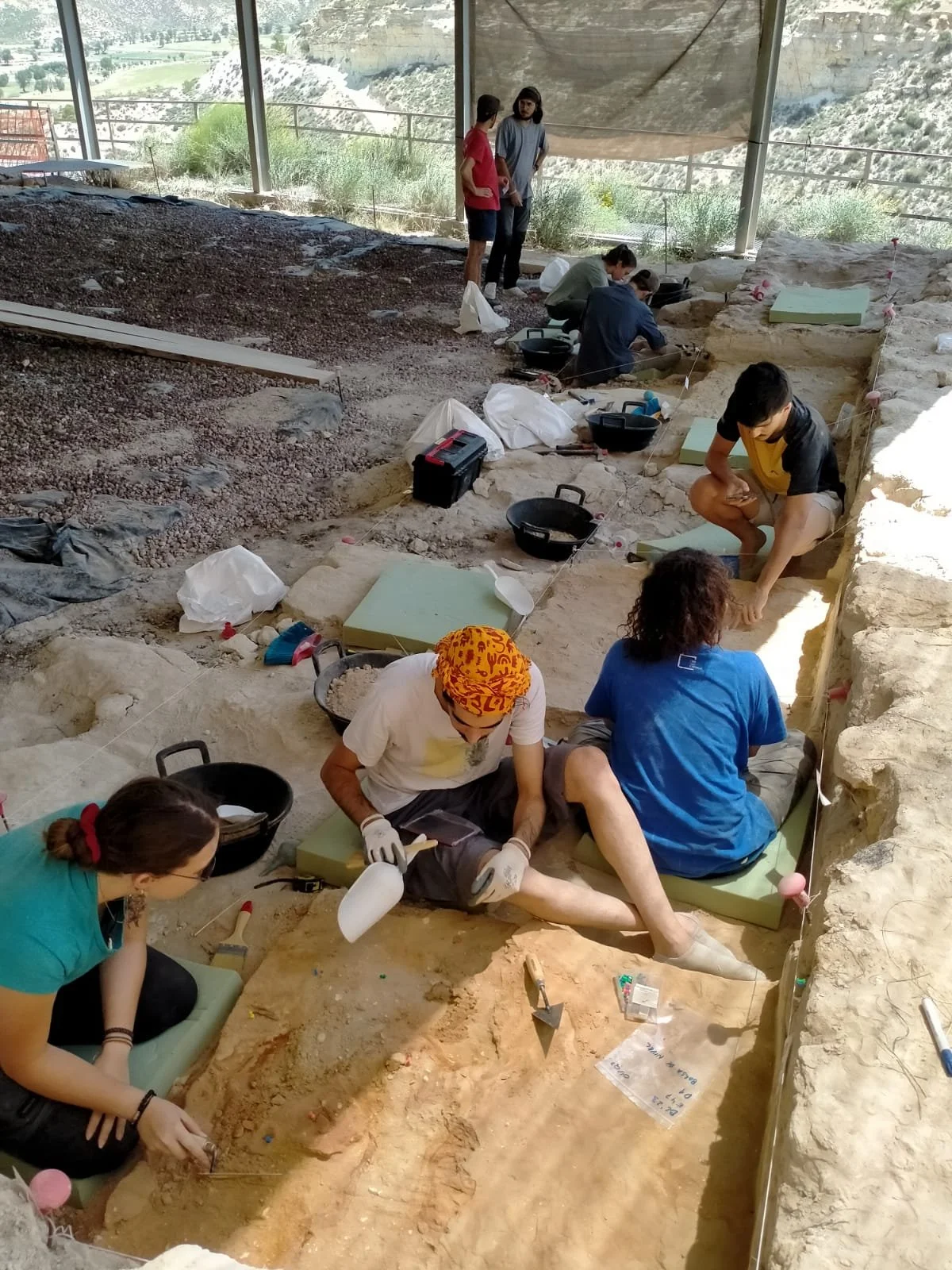
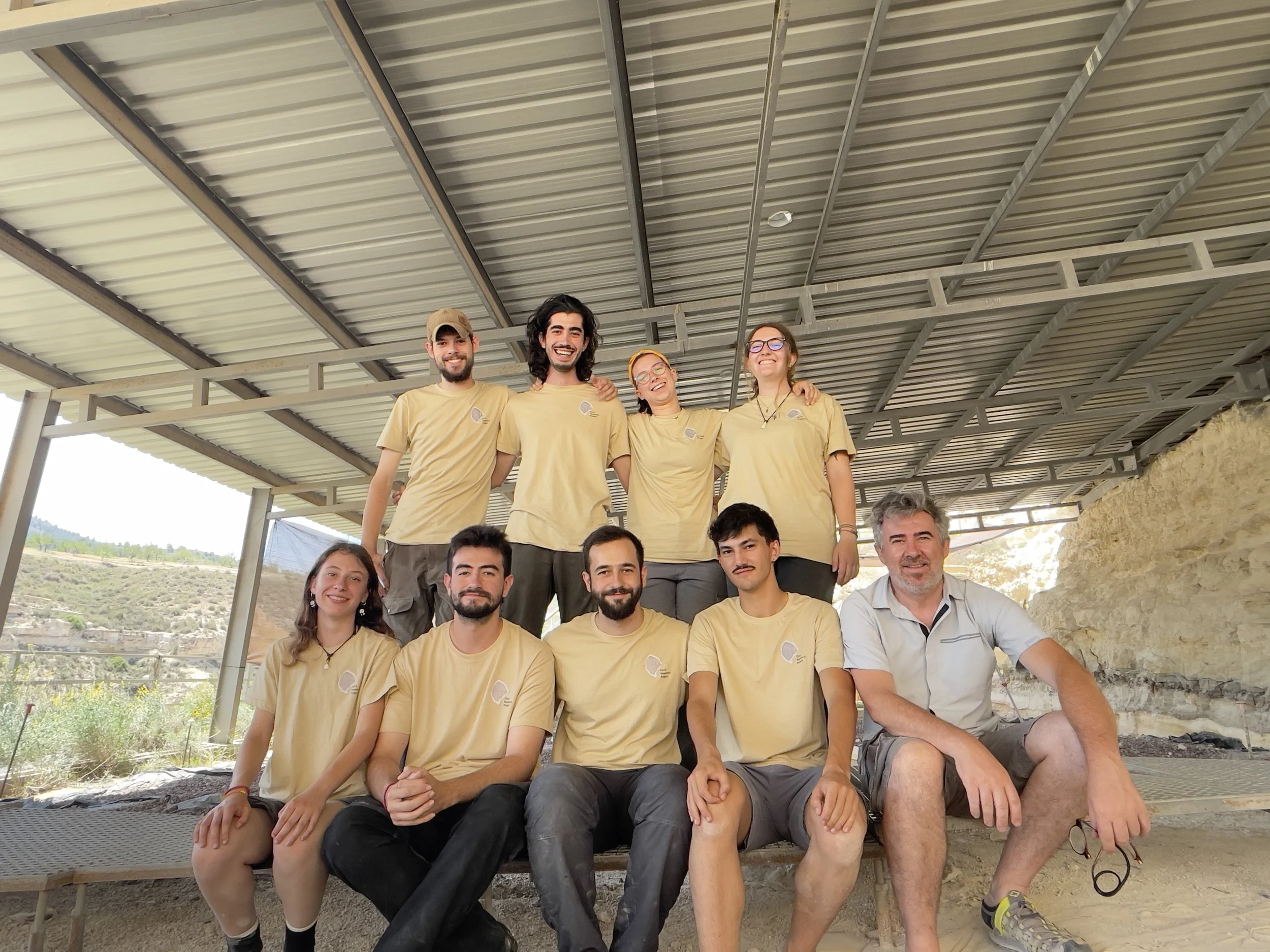
Dylan has participated in field research in Morocco, Kenya, Spain, England, the United States. He has served as an Editor for the Archaeological Review from Cambridge and as an Editor in Biological Anthropology for the Cambridge Journal of Human Behaviour. He is also an experienced experimental flintknapper.

Find Me Online
Publications
Below, you will find my writing organized by publication type and year. For questions on any specific publication, feel free to message me using the contact form below or at dylanflicker@g.harvard.edu.
You can also find me on Google Scholar.
Peer-Reviewed Journal Articles
Flicker, D., O’Brien, K., Rowan, J., Head, J., Mirazón Lahr, M., (in prep). Ecometric analyses of Early Pleistocene bovid and carnivore fossils from Swartkrans. Nature Ecology & Evolution.
Watch This Space!
Flicker, D., Key A. (2023). Statistical Assessment of the temporal and cultural relationship between the Lomekwian and Oldowan. Journal of Archaeological Science: Reports 48, 103834. https://doi.org/10.1016/j.jasrep.2023.103834
Abstract:
The temporal relationship between the Lomekwi 3 archaeological site and the Oldowan stone tool industry is not well explored. Lomekwi 3 dates to 3.3 million years ago (Ma), meaning the ‘Lomekwian’ as we currently understand it is 719 thousand years (Ka) older than the current oldest known Oldowan site, Ledi-Gararu. Here, we investigate the temporal relationship between Lomekwi 3 and early Oldowan occurrences using the ‘surprise test’, a statistical technique able to assess the temporal cohesion of cultural occurrences. It evaluates the null hypothesis that Lomekwi 3 was produced by the same cultural process responsible for the Oldowan, and does so by determining the temporal exceptionality of an outlying occurrence (i.e., Lomekwi 3) relative to a larger sample of earlier or later occurrences (in this case early Oldowan sites). Results indicate the null hypothesis cannot be rejected, suggesting Lomekwi 3 to potentially be from the same cultural process responsible for the Oldowan. This lack of temporal distinction means the former cannot reliably be inferred to be outside of the temporal range of the latter, increasing the feasibility of a cultural evolutionary relationship between Lomekwi 3 and the Oldowan and emphasising the need for a more widely evidenced technological distinction between the two. Additionally, we examine the impact of a less porous Oldowan record on these results by simulating the discovery of additional early Oldowan sites. The addition of five or more sites was required to guarantee a significant result. Thus, temporal evidence suggests Lomekwi 3 and the Oldowan should currently be considered part of the same cultural process (i.e., not to result from technological convergence), but this scenario could change through additional site discoveries.
Roberts, D.L., Jarić, I., Lycett, S.J., Flicker, D. and Key, A. (2023). Homo floresiensis and Homo luzonensis are not temporally exceptional relative to Homo erectus. J. Quaternary Sci, 38: 463-470. https://doi.org/10.1002/jqs.3498
Abstract:
The presence of Homo floresiensis and Homo luzonensis in southeast Asia 90,000 to 60,000 years ago is considered surprising by many, and has been used to support their designation as unique species and the islands they were discovered on as refugia. Here, we statistically test the null hypothesis that H. floresiensis and H. luzonensis represent temporally uninterrupted occurrences relative to Homo erectus. We do this using the ‘surprise test’ for the exceptionality of a new record. Results demonstrate that H. floresiensis and H. luzonensis are not temporally distinct relative to H. erectus. Their late persistence should, therefore, not be considered surprising, they cannot reliably be inferred to be outside of H. erectus’ temporal range, and – temporally – the islands of Luzon and Flores are not supported as refugia. Similarly, late H. erectus at Ngandong, Java, is not demonstrated to be temporally distinct relative to earlier, principally mainland-Asian, H. erectus. Further, we demonstrate that substantial numbers of fossil discoveries would be needed before H. floresiensis and H. luzonensis are outside of H. erectus’ expected temporal range. If H. floresiensis and H. luzonensis are descended from H. erectus populations, our results point toward either geographic processes of allopatric speciation or behavioural processes leading to a sympatric speciation event.
Conference Presentations
Flicker, D., O’Brien, K., Rowan, Mirazón Lahr, M., (2026). “Integrating multiple trophic levels to account for carnivore bone accumulation bias in fauna-based palaeoenvironmental reconstructions,” in 91st Annual Meeting Abstracts. Society for American Archaeology Annual Meeting, San Francisco.
Abstract:
Understanding human-environment interaction in the past requires reconstructing ecologies through indirect proxies. Ecomorphological analyses of fossil Bovidae are frequently employed to extrapolate palaeoenvironments; however, the assumptions inhere in such reconstructions are seldom explicitly states, quantified or addressed. Here, I examine bias resulting from site formation processes at two South Africa Pleistocene cave sites, Swartkrans and Kromdraai. These sites are suggested to have formed partly due to carnivore behavior, with many non-carnivoran fauna accumulating after having been dragged in as prey. This project employs established taxon-free economic methods to test the hypothesis that this non-random accumulation process biases ecological reconstructions from herbivore remains. I present the first ecometric palaeoenvironmental reconstructions based on bovid dental data from Swartkrans and Kromdraai. I then present alternative palaeoenvironmental reconstructions from carnivore dental traits. By combining bottom-up and top-down proxies, this work demonstrates that, in the context of these sites’ formation processes, sole reliance on the presence or absence of herbivore taxa is insufficient to infer palaeoenvironment. This emphasizes that the record should be viewed as an actively filtered product of both biological and geological processes, rather than a passive archive of past life. Complete palaeoecological reconstructions must integrate multiple tropic levels and site formation processes.
Flicker, D., Key A. (2023). The Lomekwian and Oldowan are likely related. PaleoAnthropology, 13th Annual Meeting of the European Society for the study of Human Evolution Abstracts, Aarhus. (Poster).
Skills and Methods
-
Programming languages including R and Python.
Familiarity with statistical models for global climate, local palaeoenvironment, and cultural evolution.
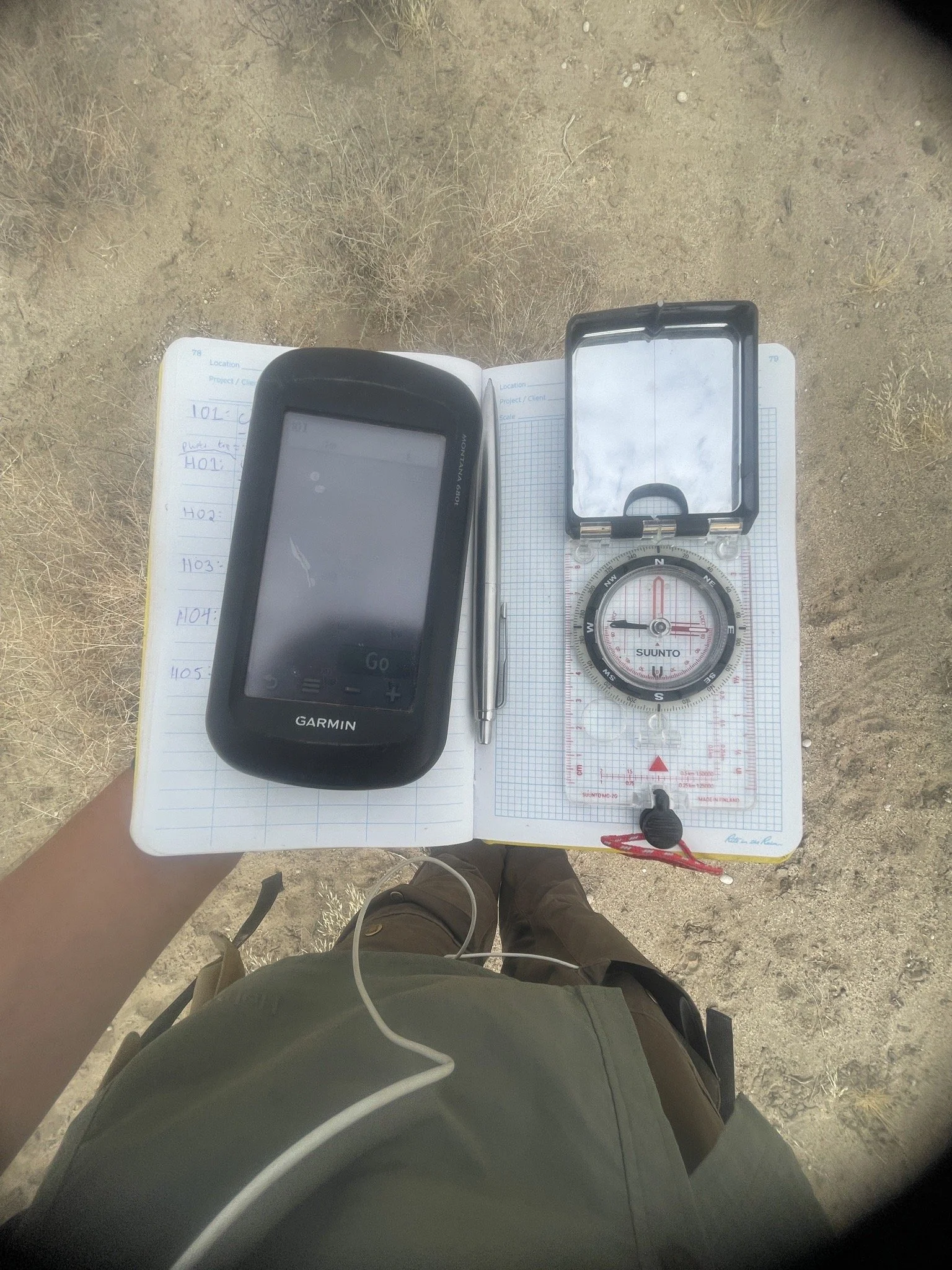
Professional proficiency in spatial analysis using ArcGIS and QGIS.
-
Excavation, survey,
-
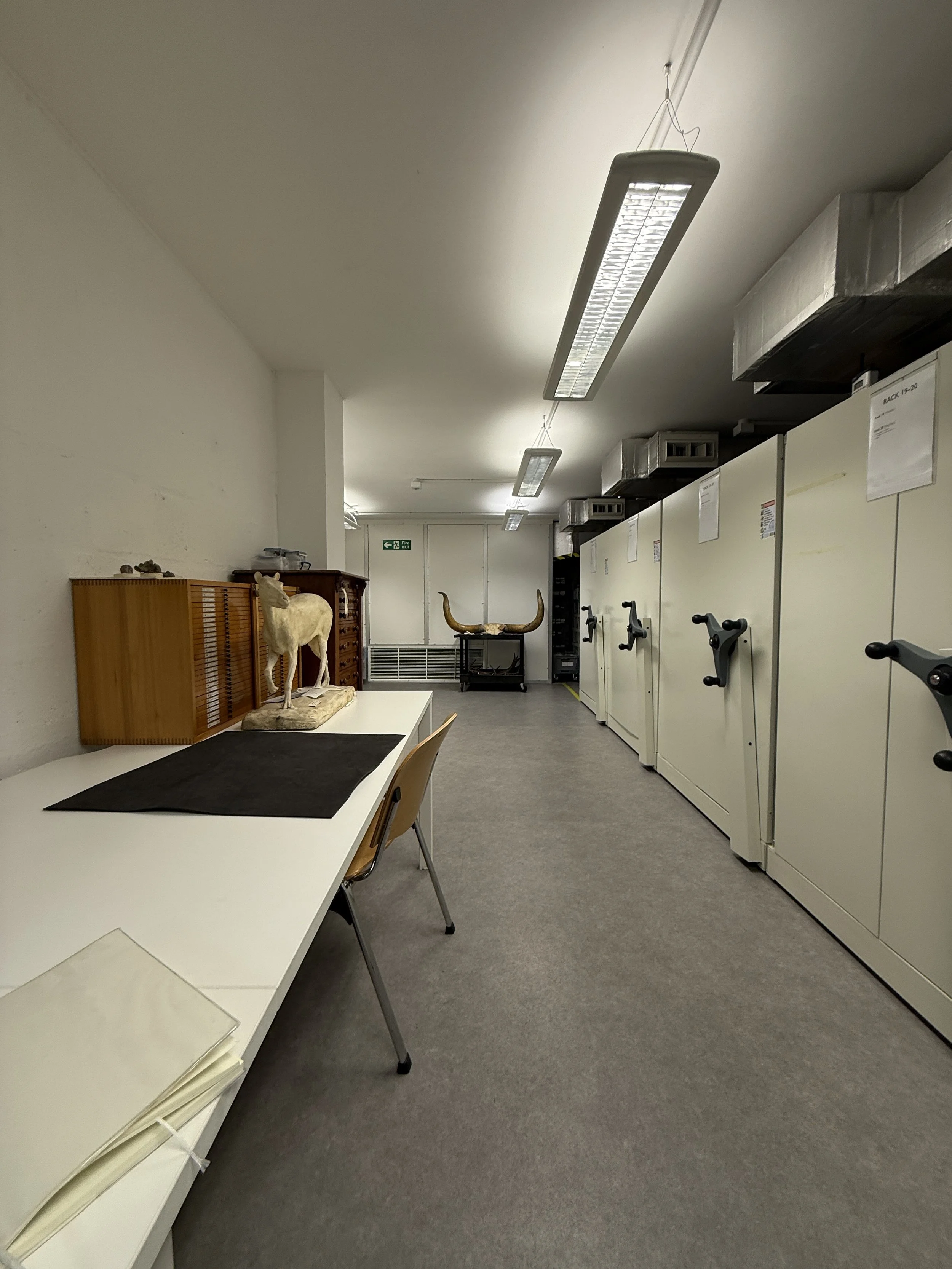
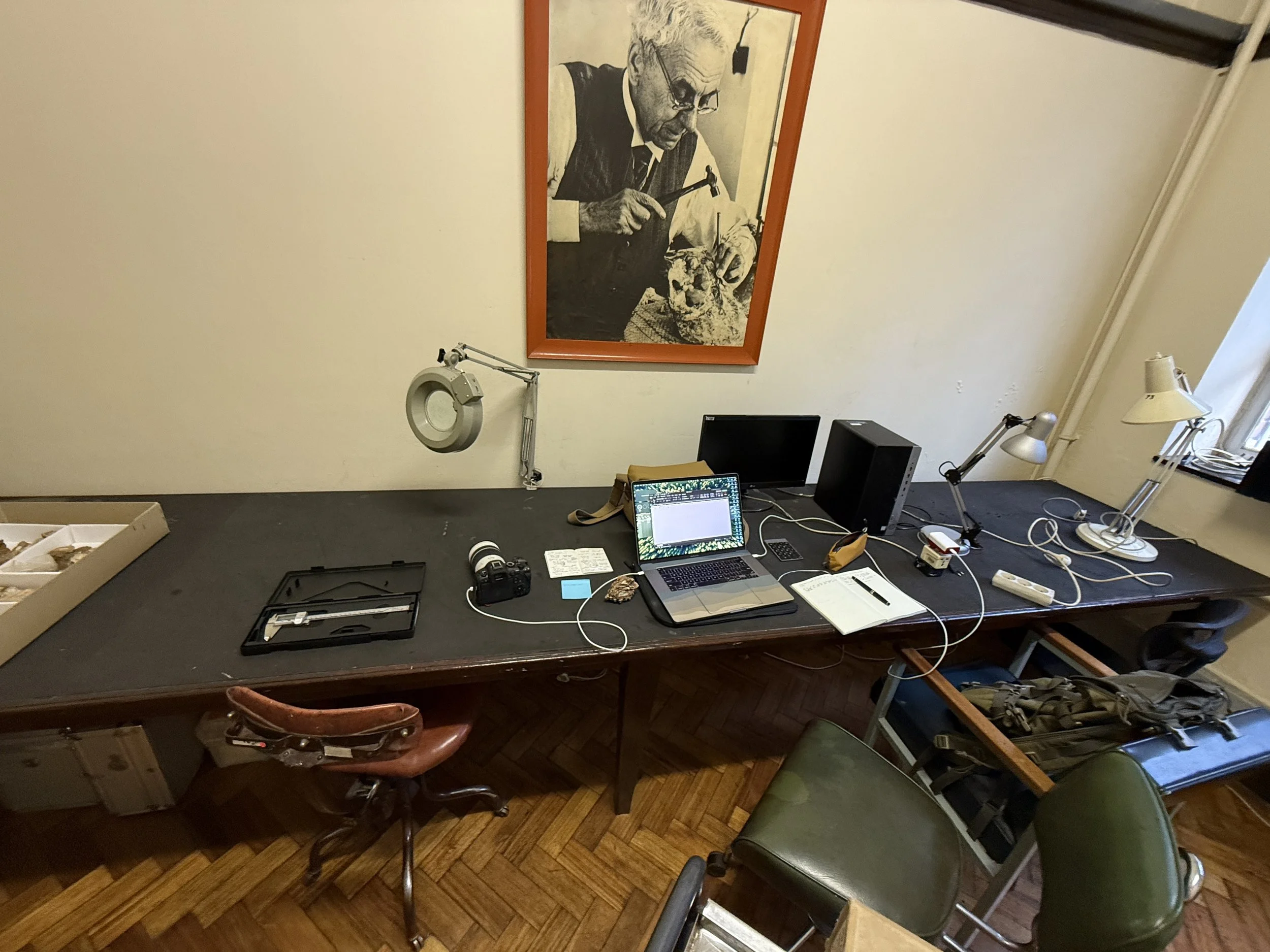
I have previously worked with modern and fossil osteological collections for morphometrics and ecometric modelling.
I have been involved in data collection for lithic analysis.
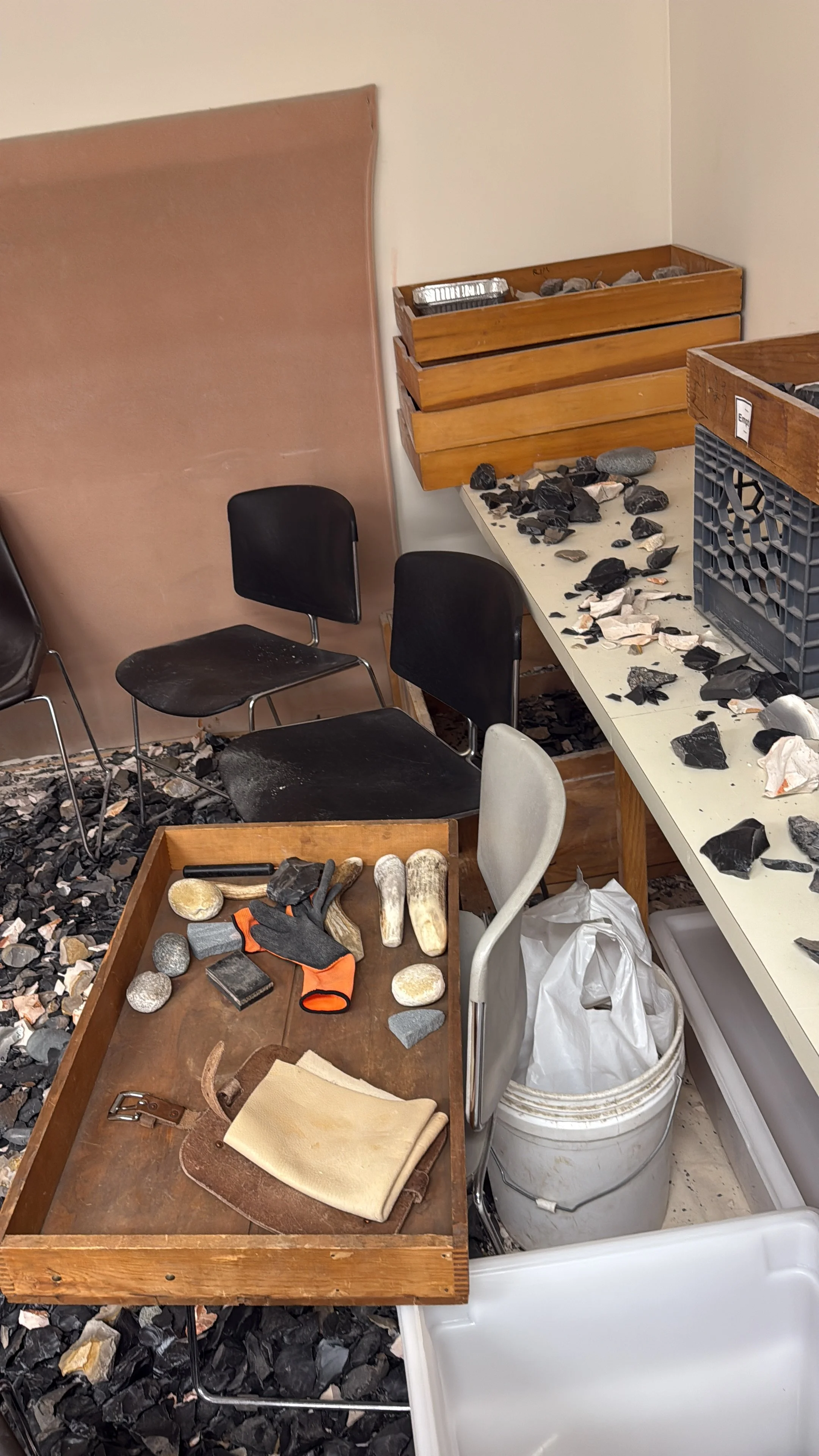
I am an experienced experimental flintknapper, with a particular specialty in the reproduction of MSA technologies
Contact Me
Interested in working together? Fill out some info and I will be in touch shortly!
Where I’ve Worked
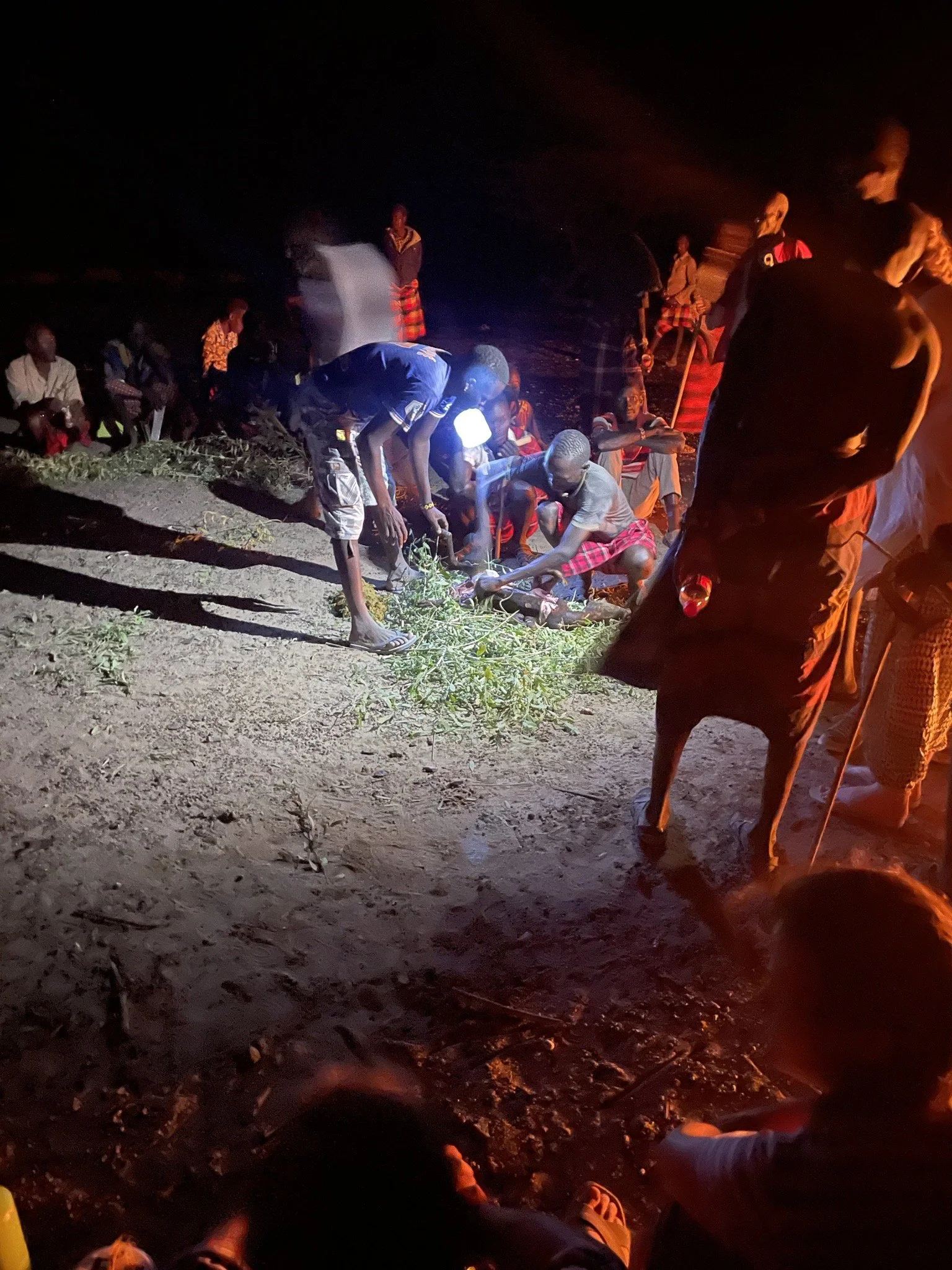
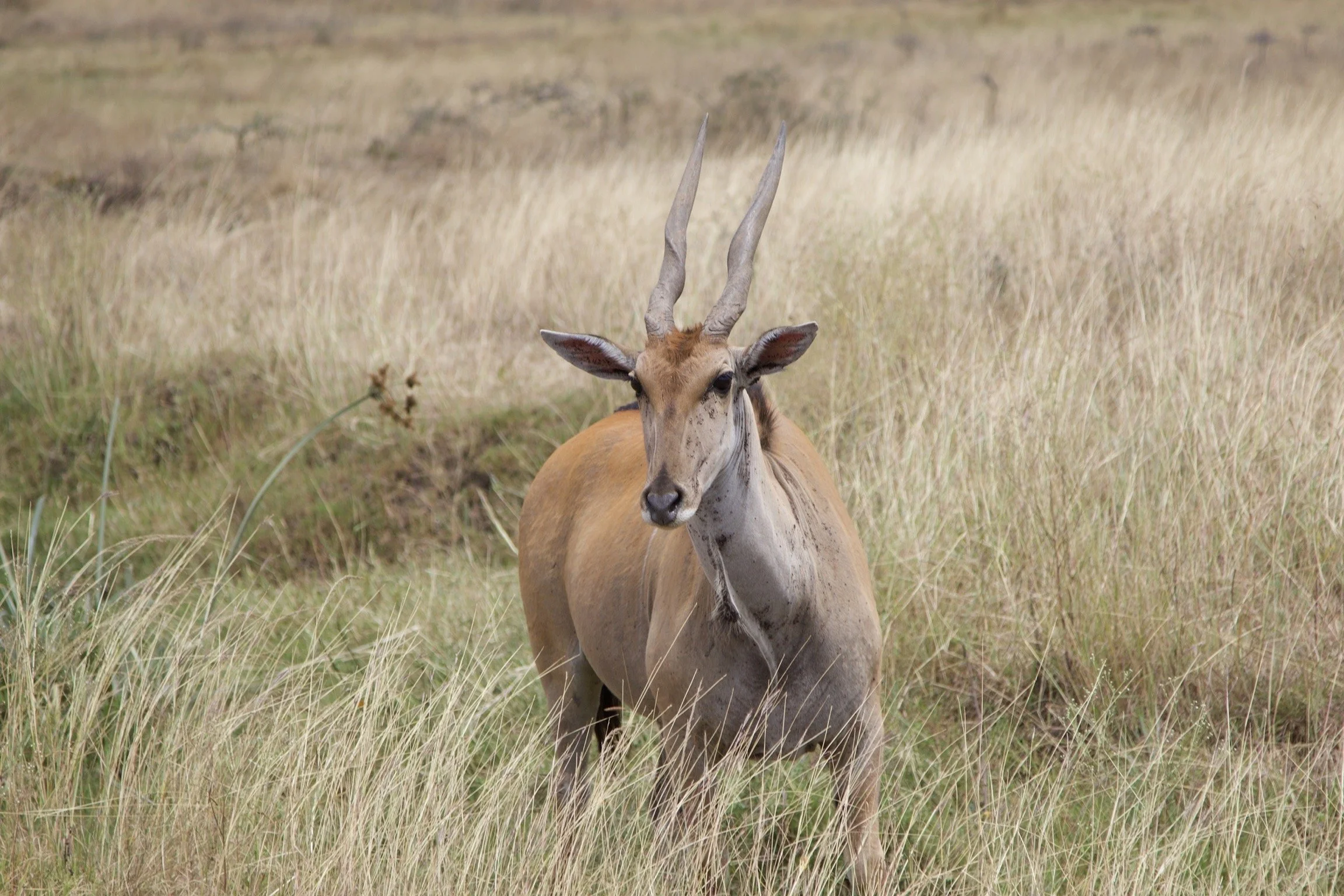
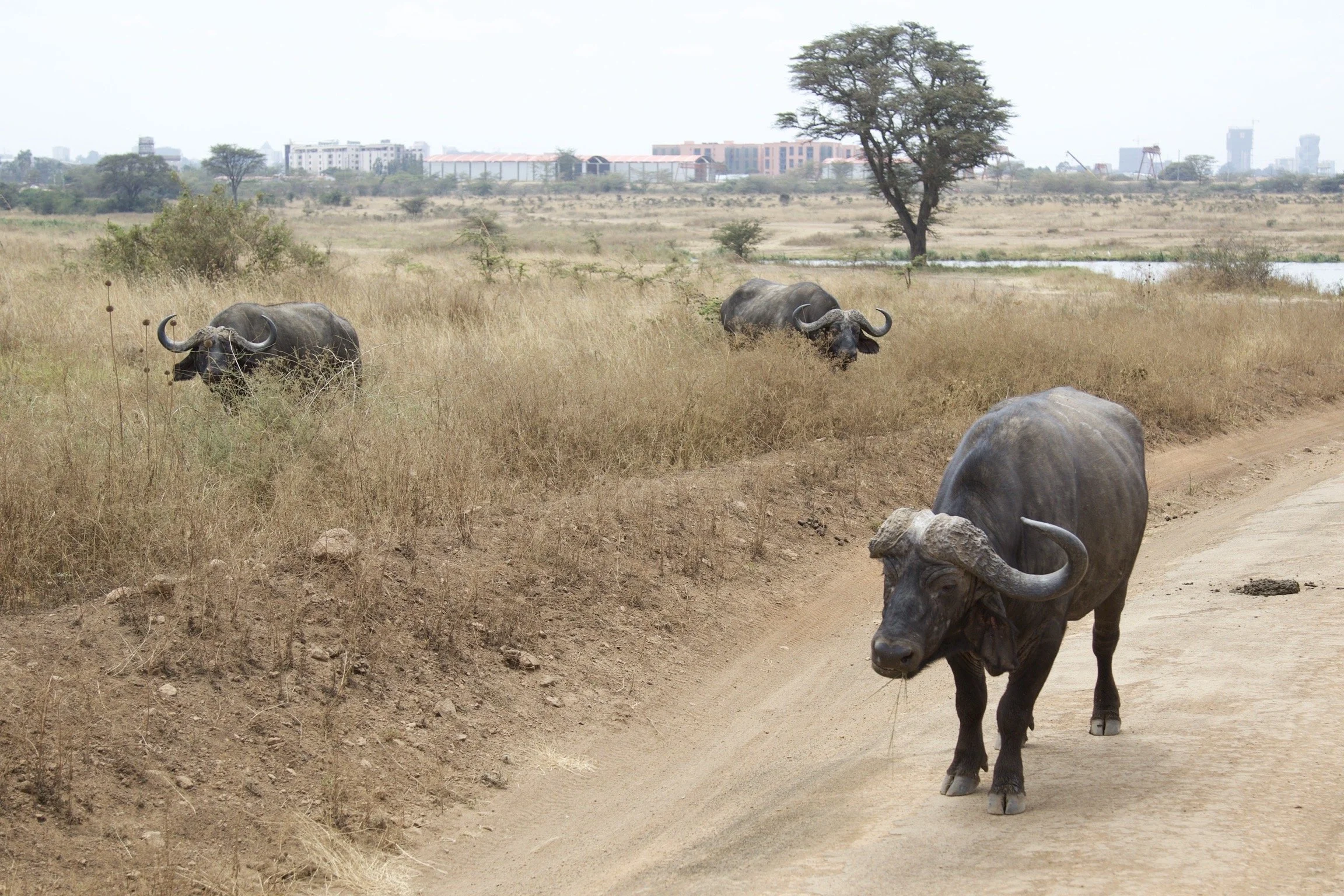
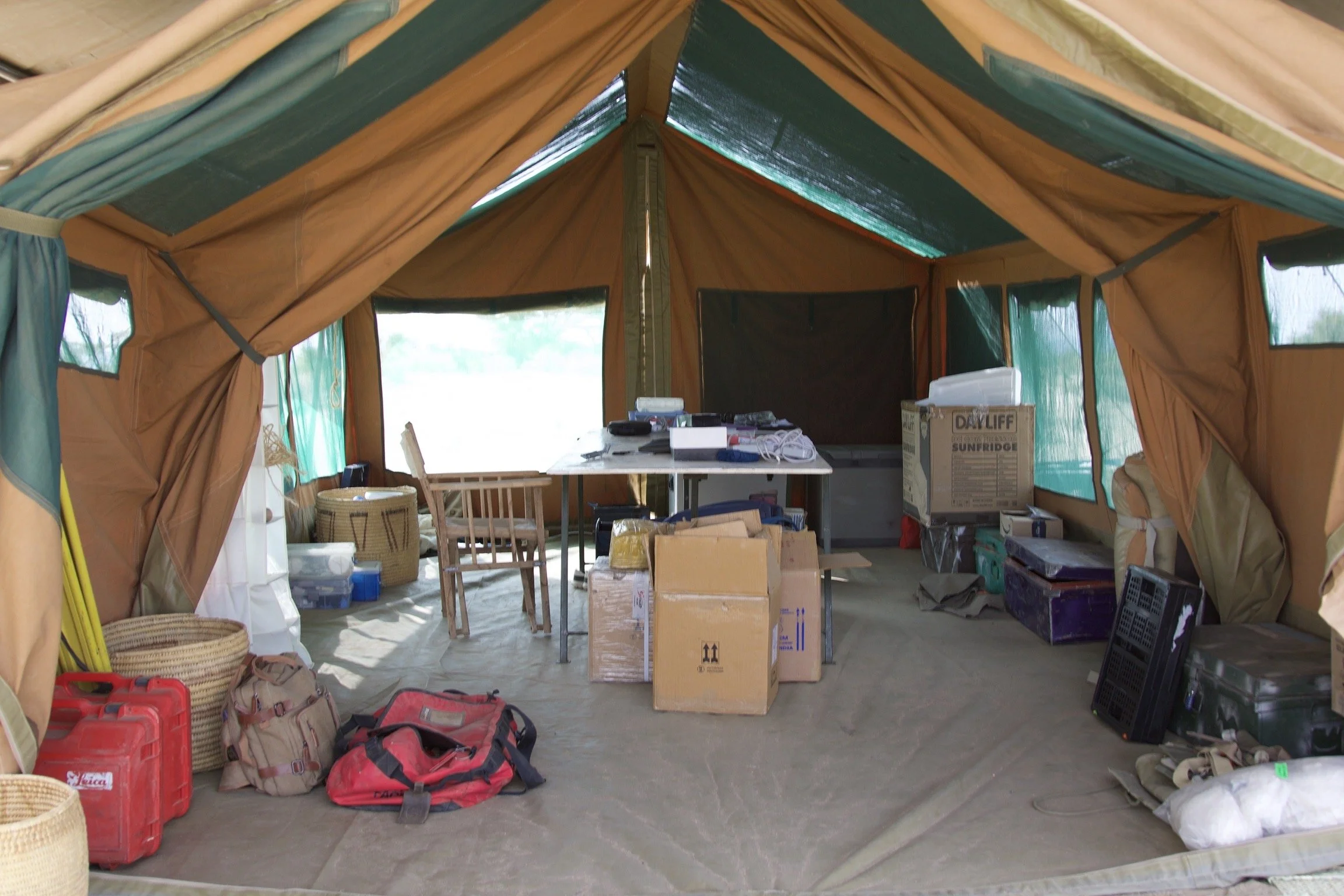
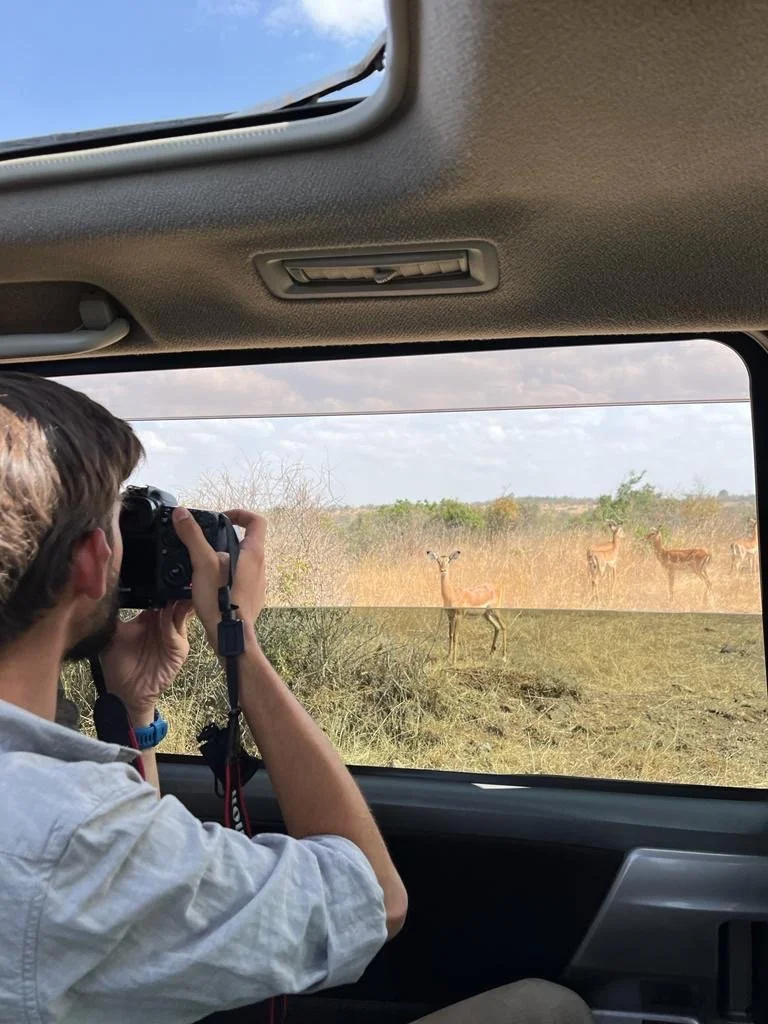
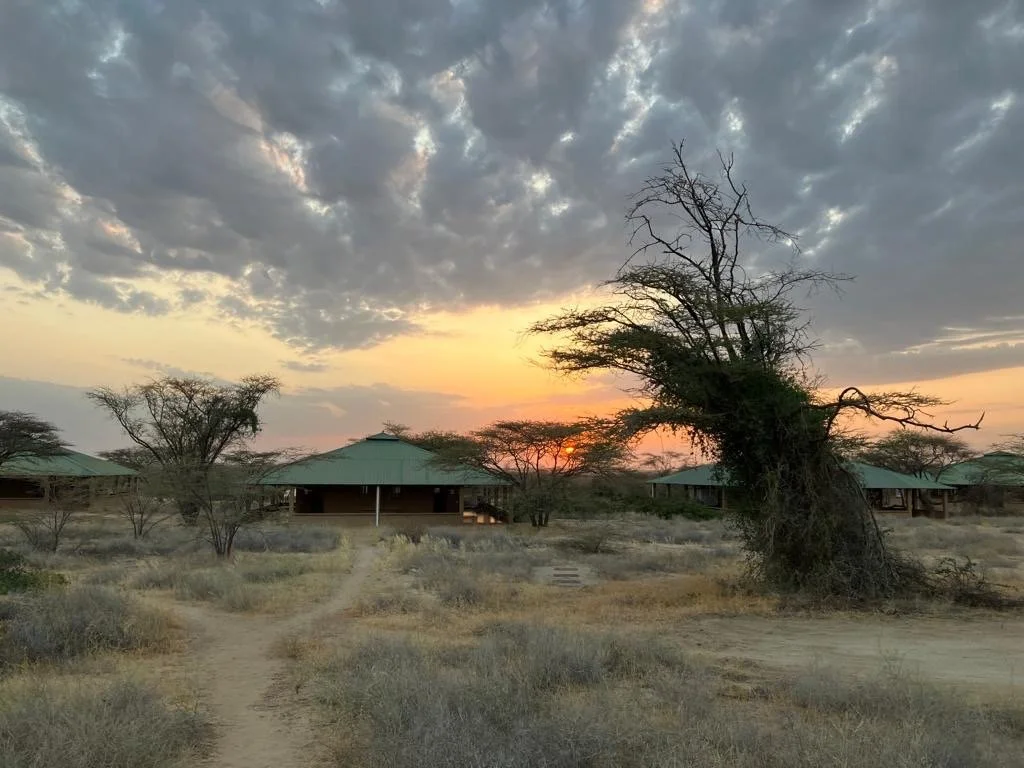
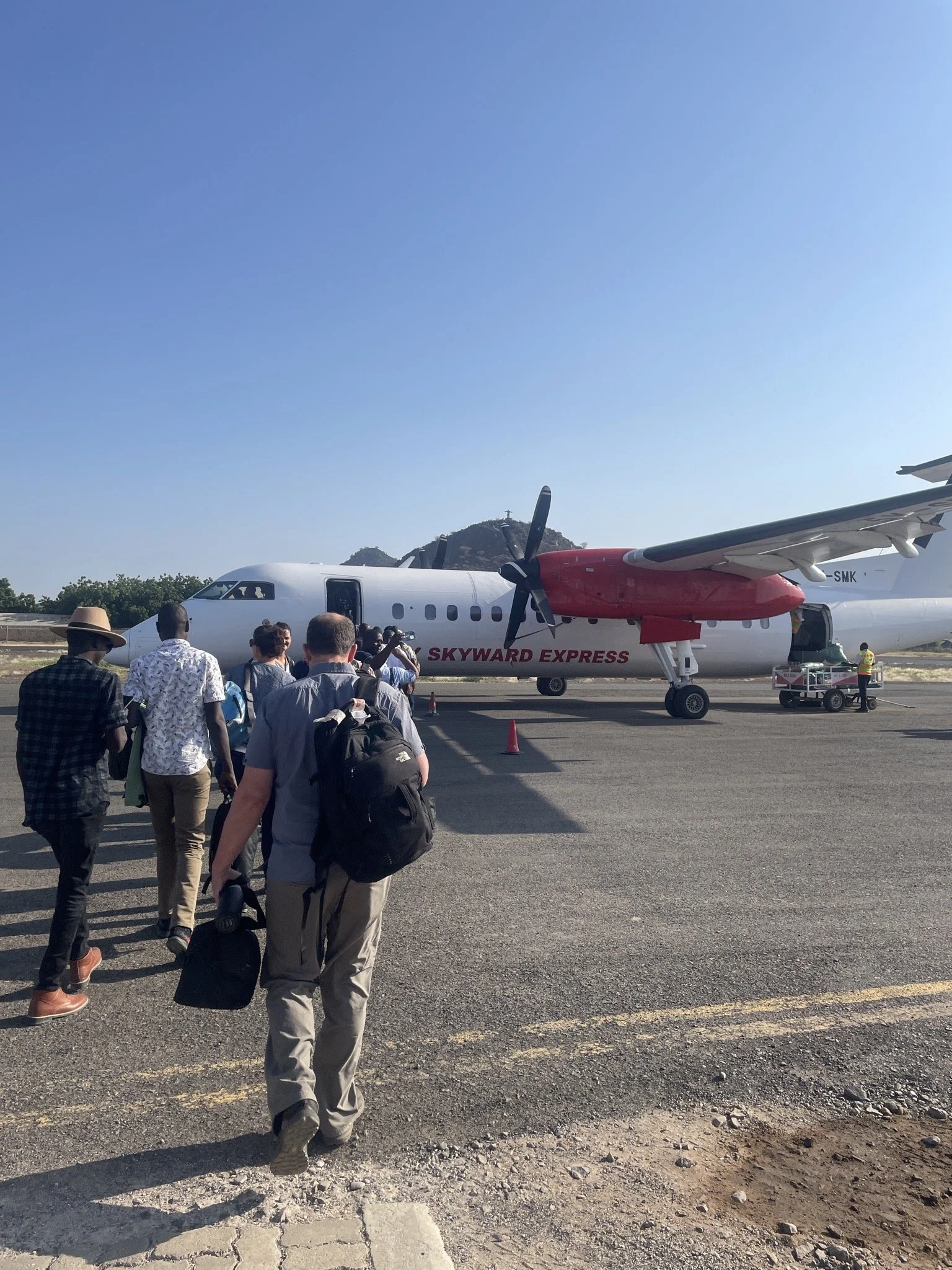
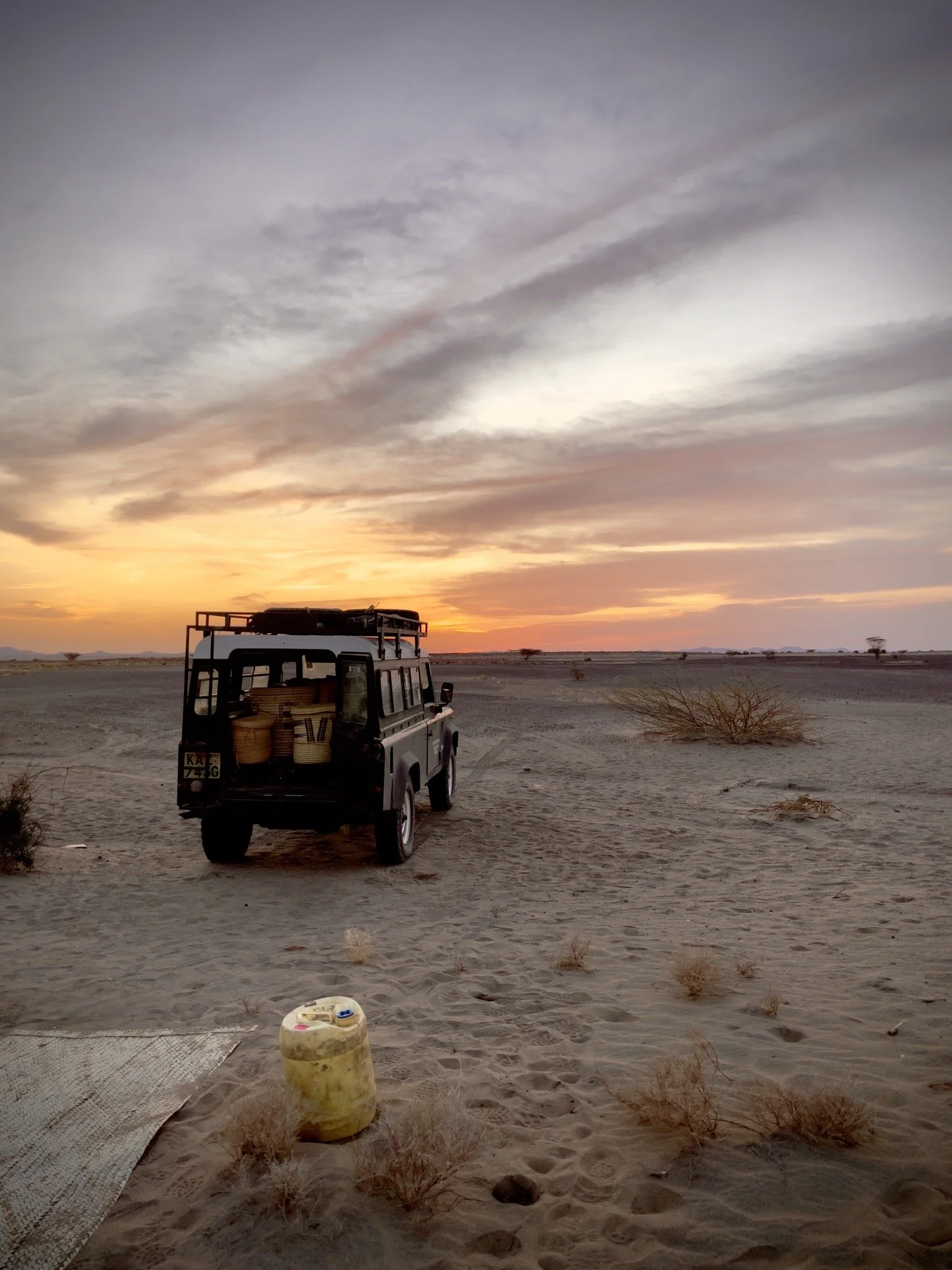
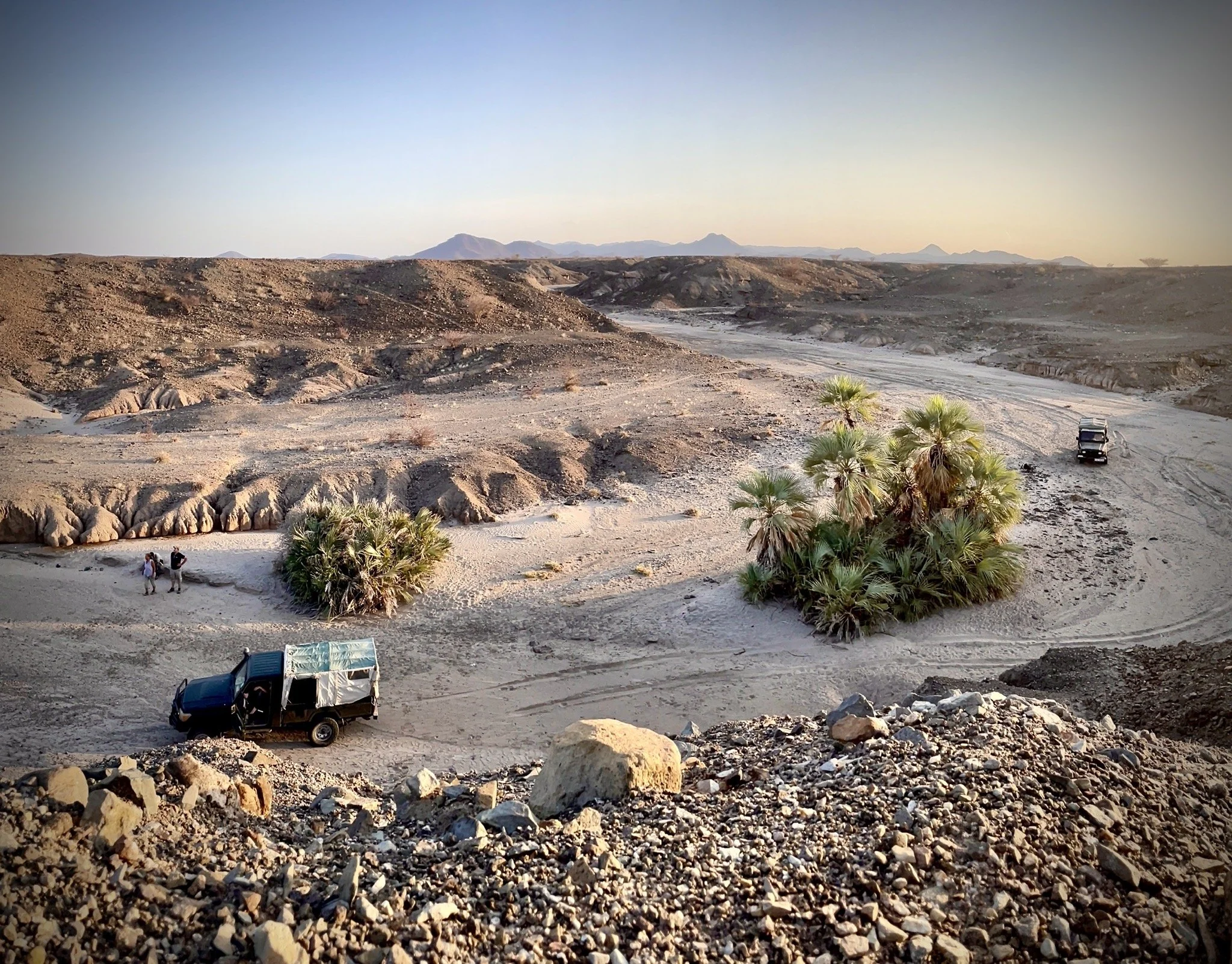
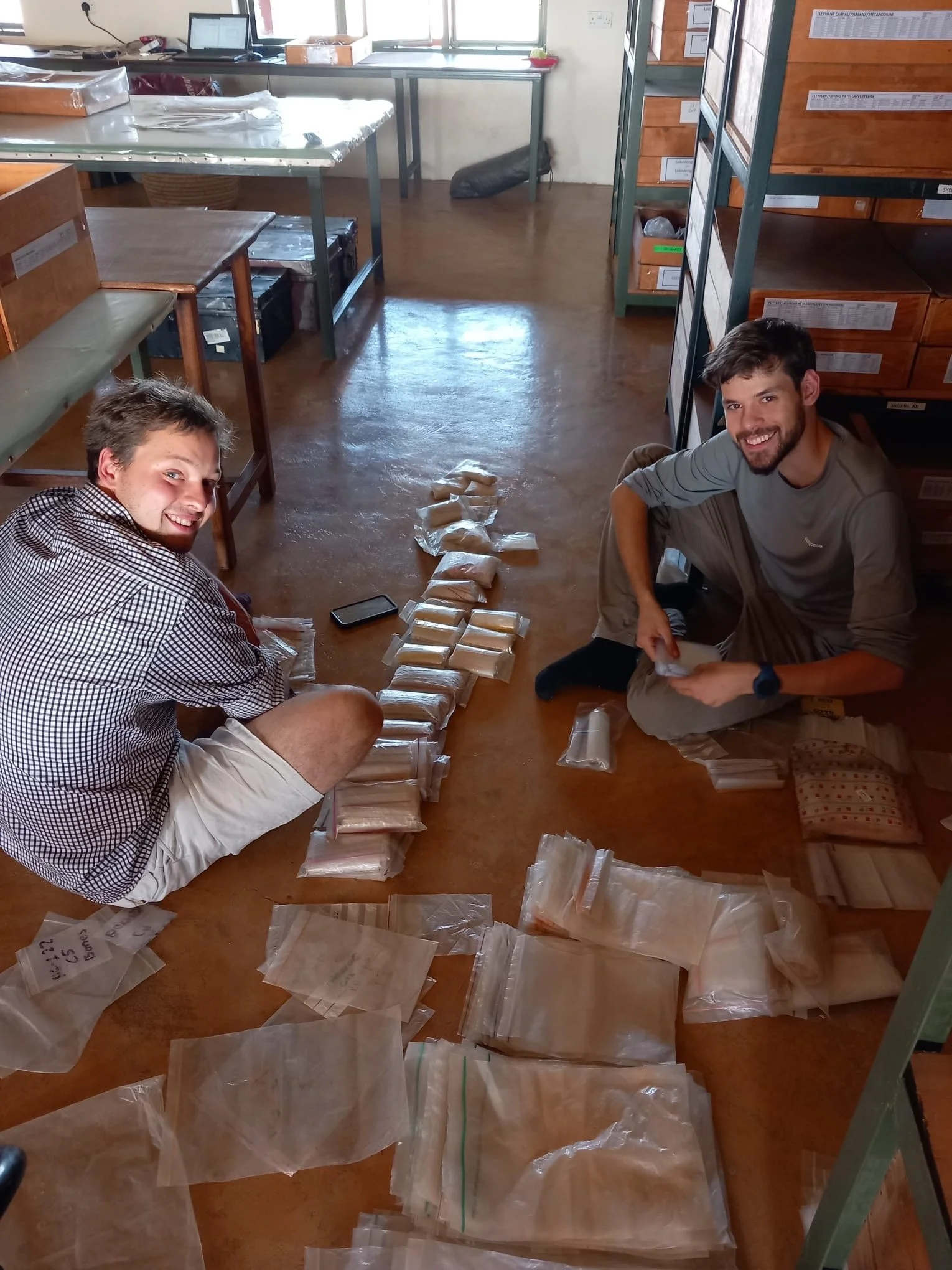
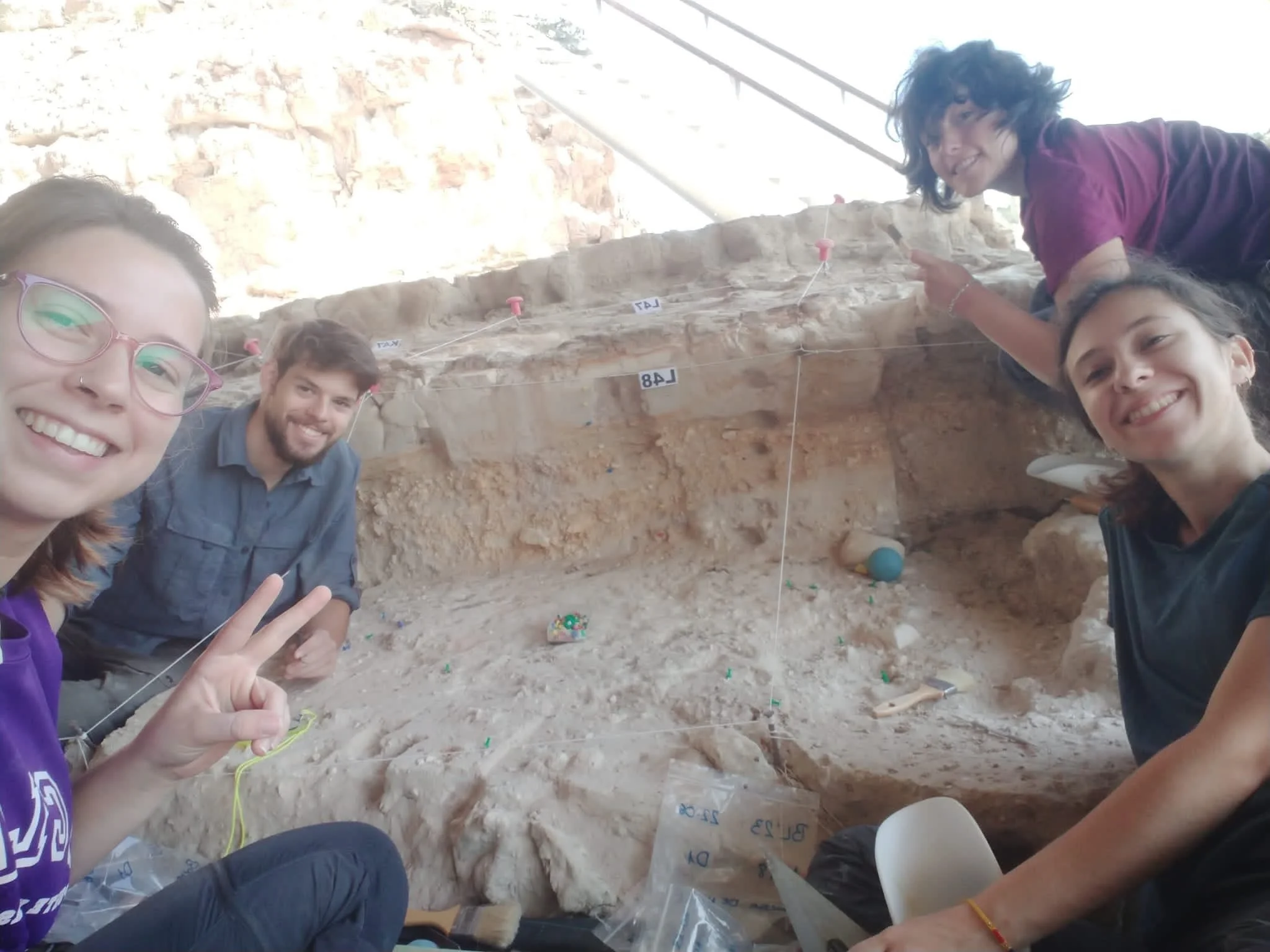
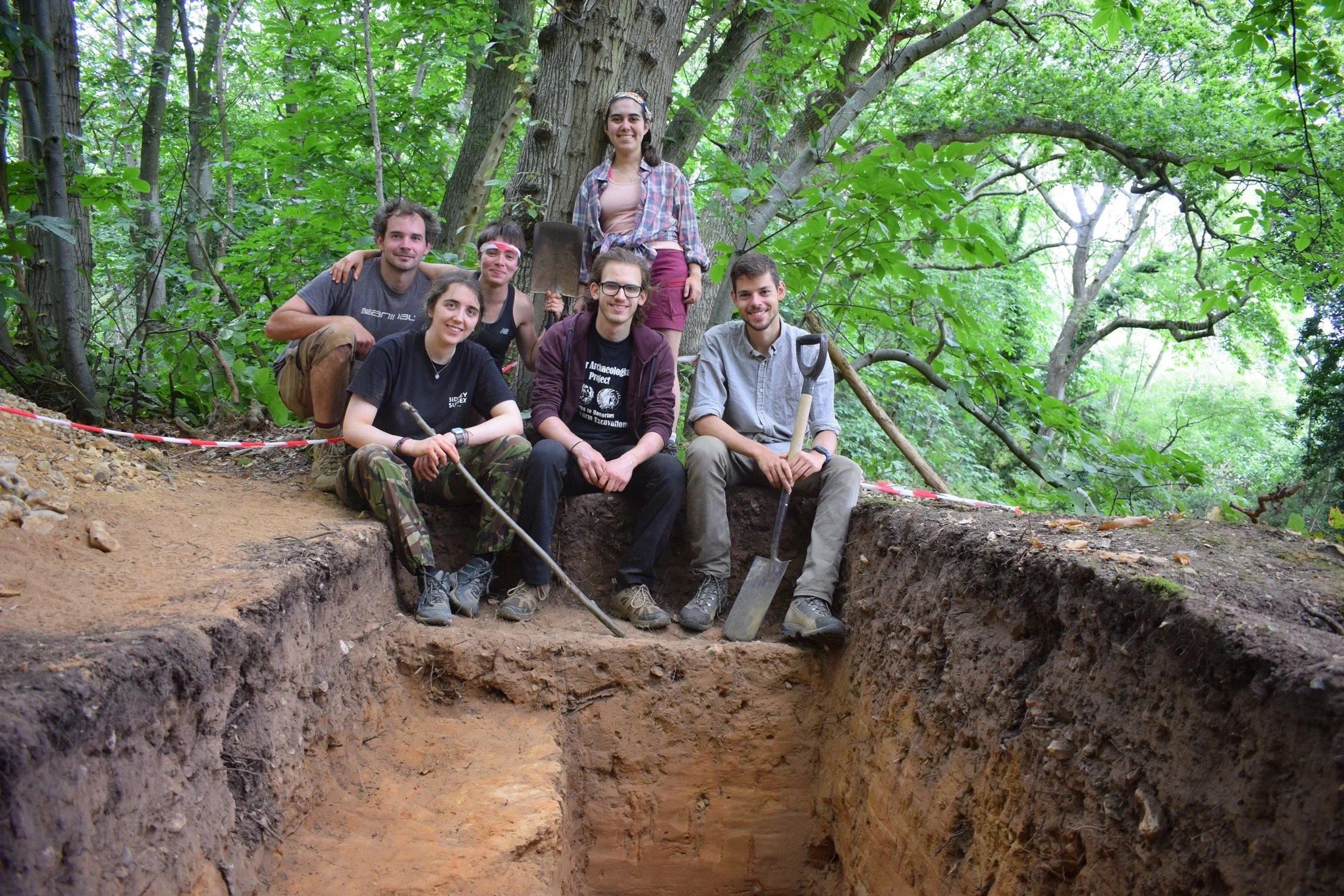
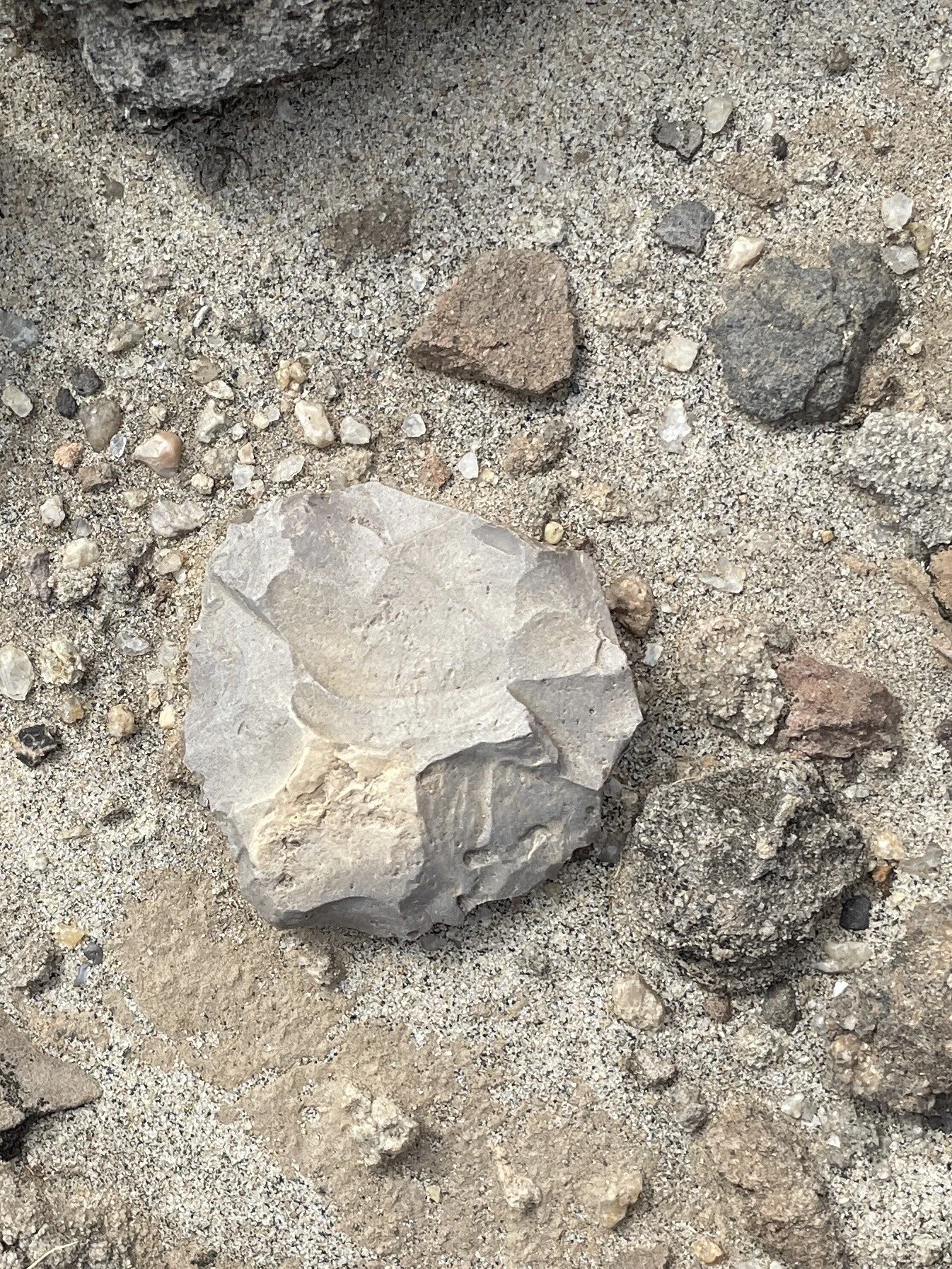
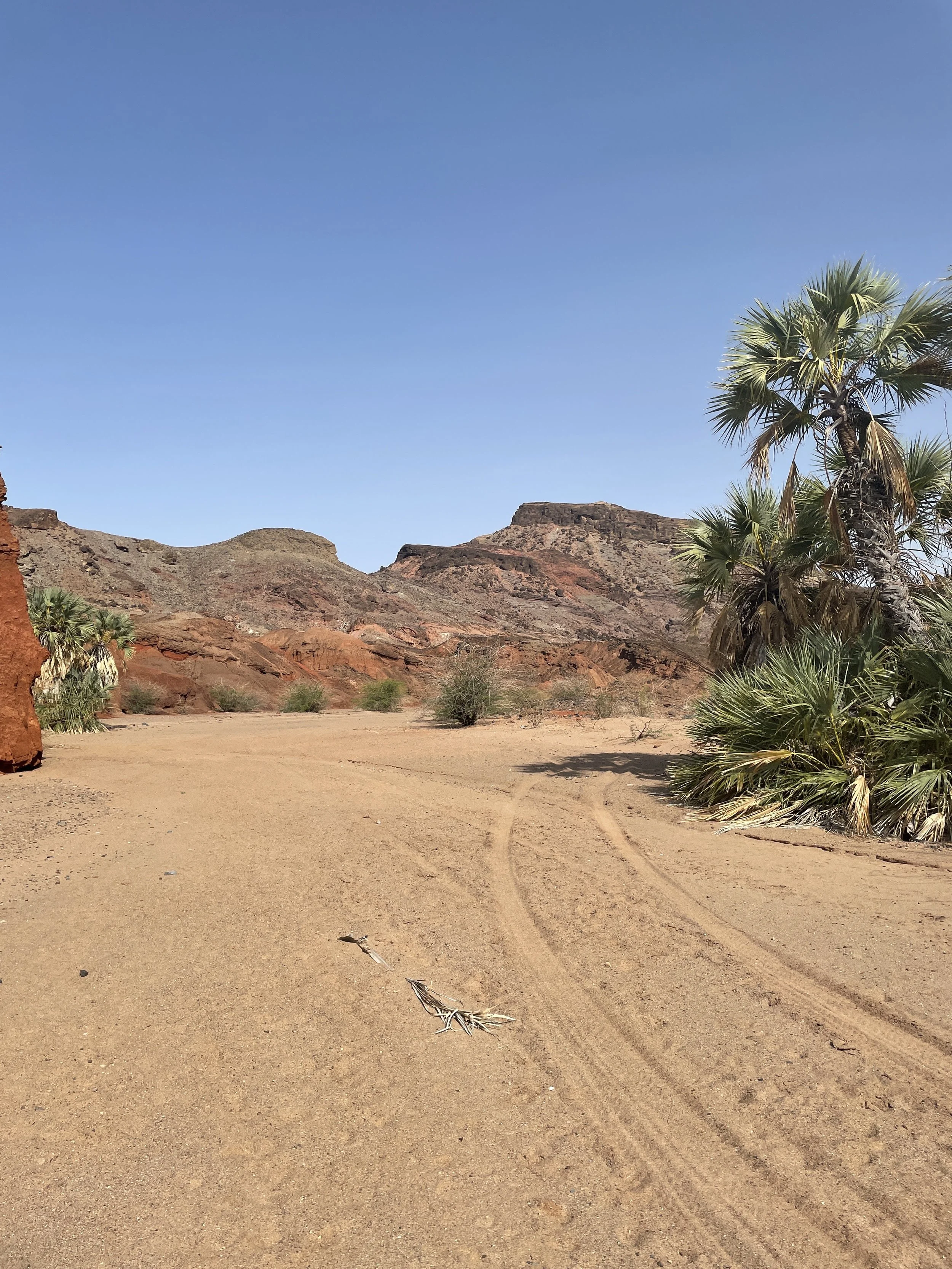
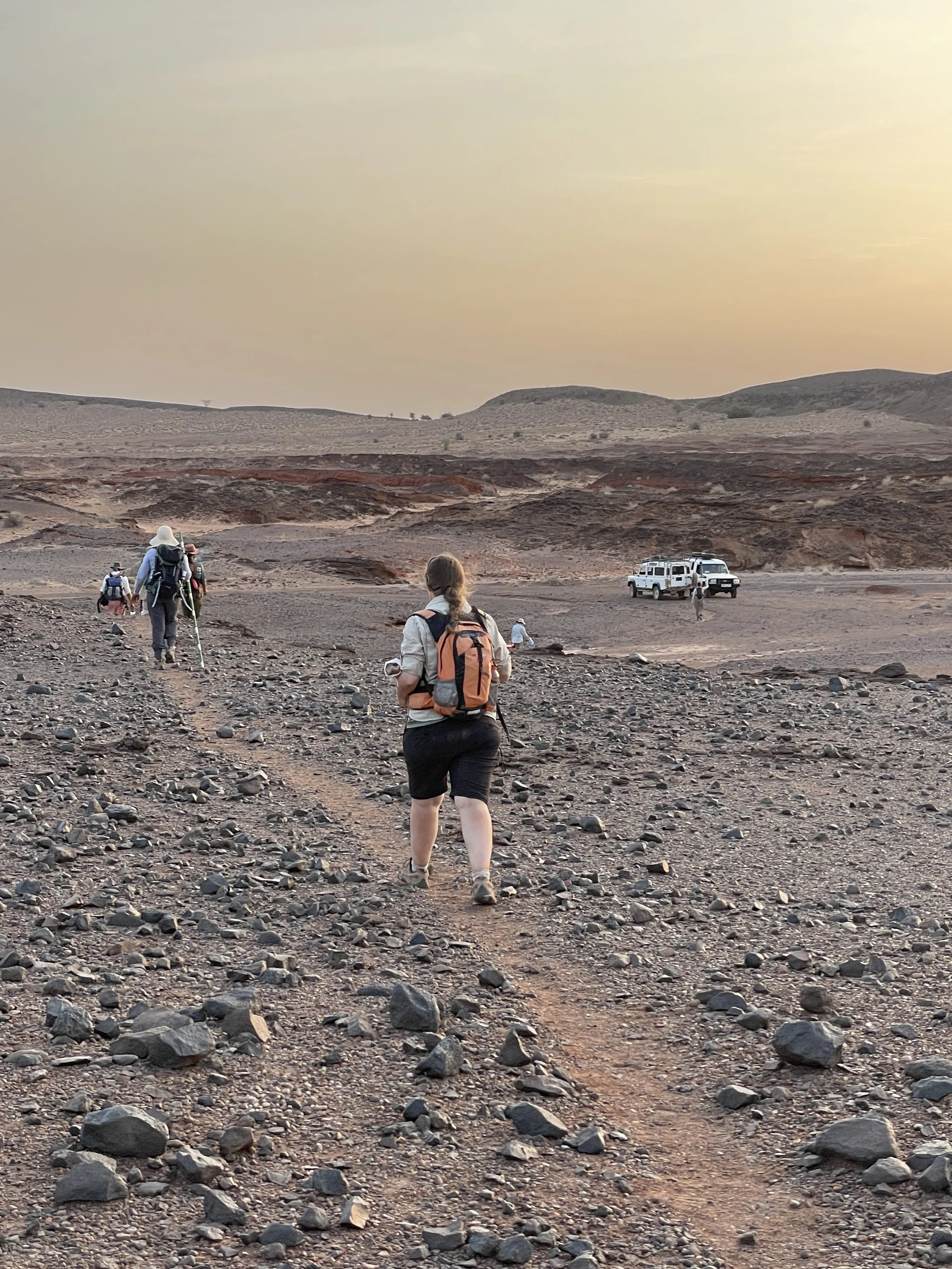
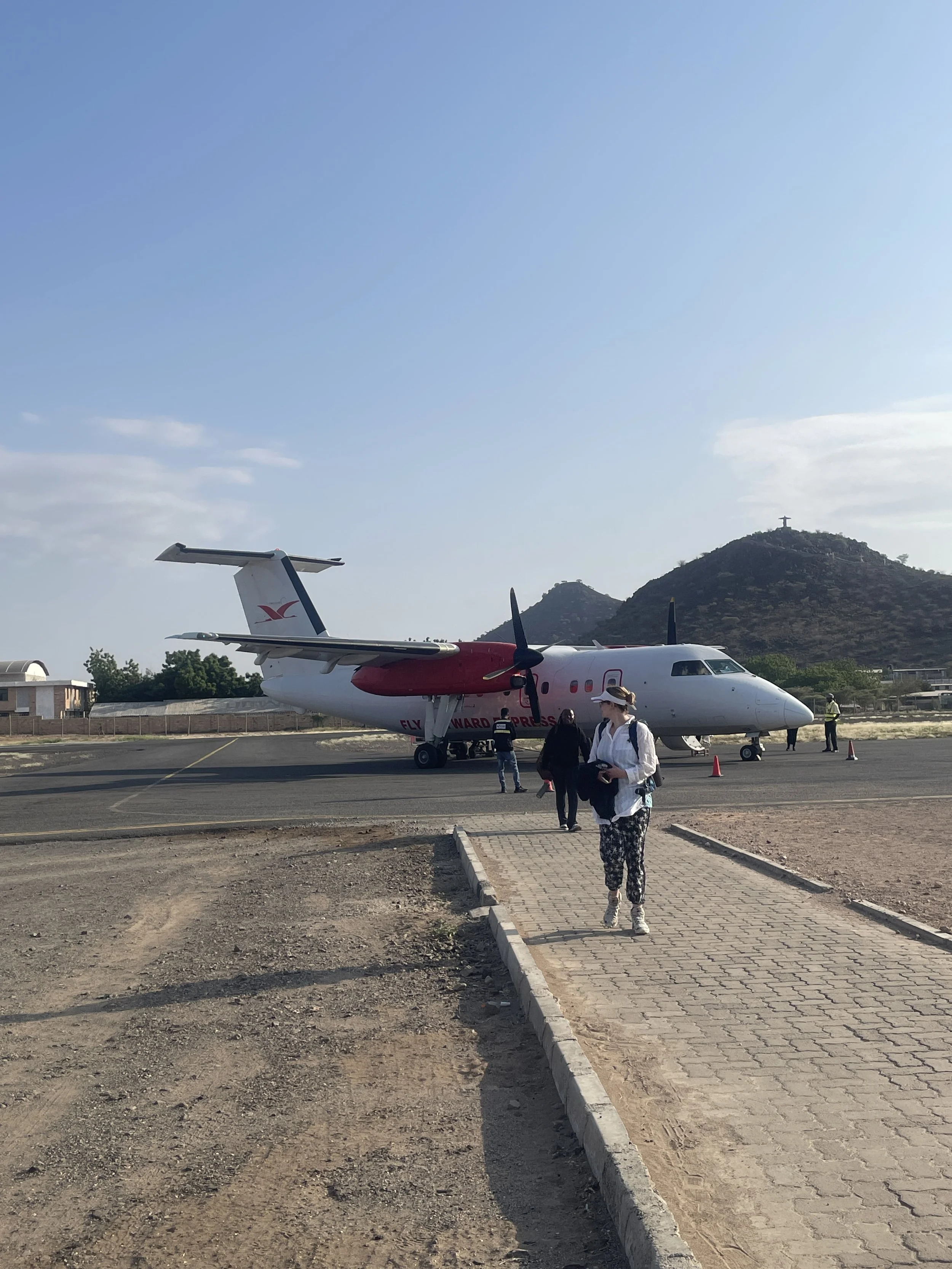
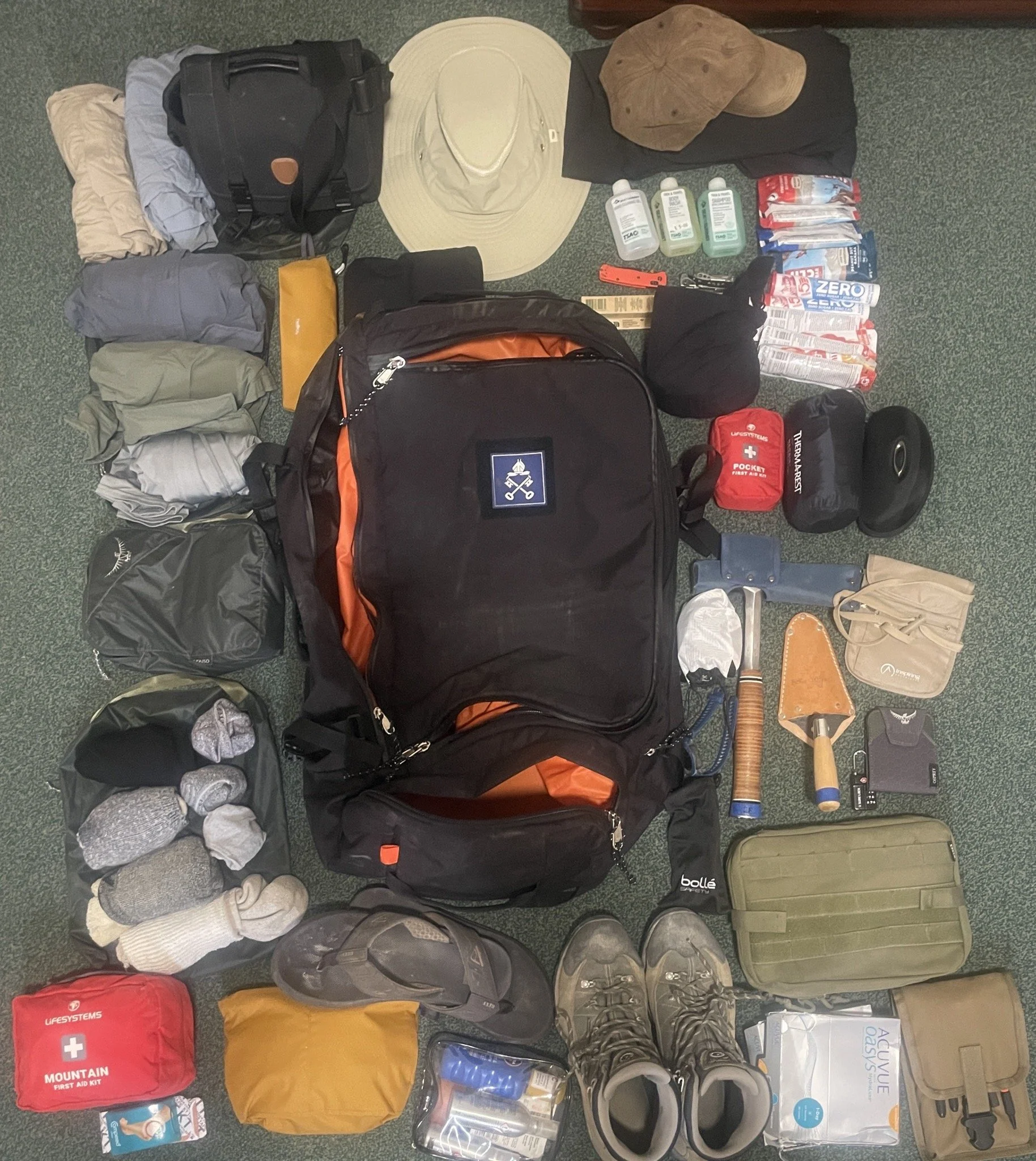
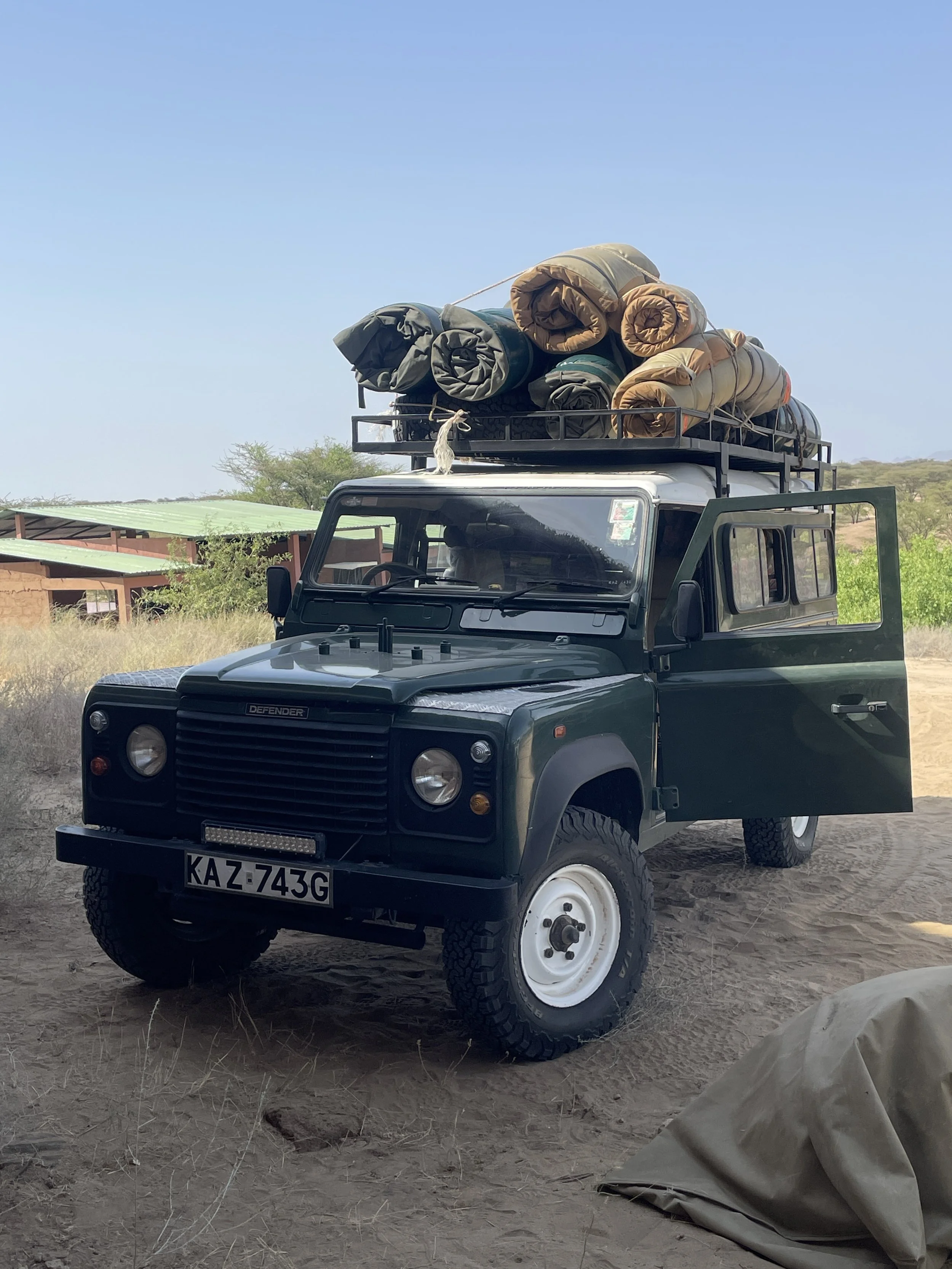
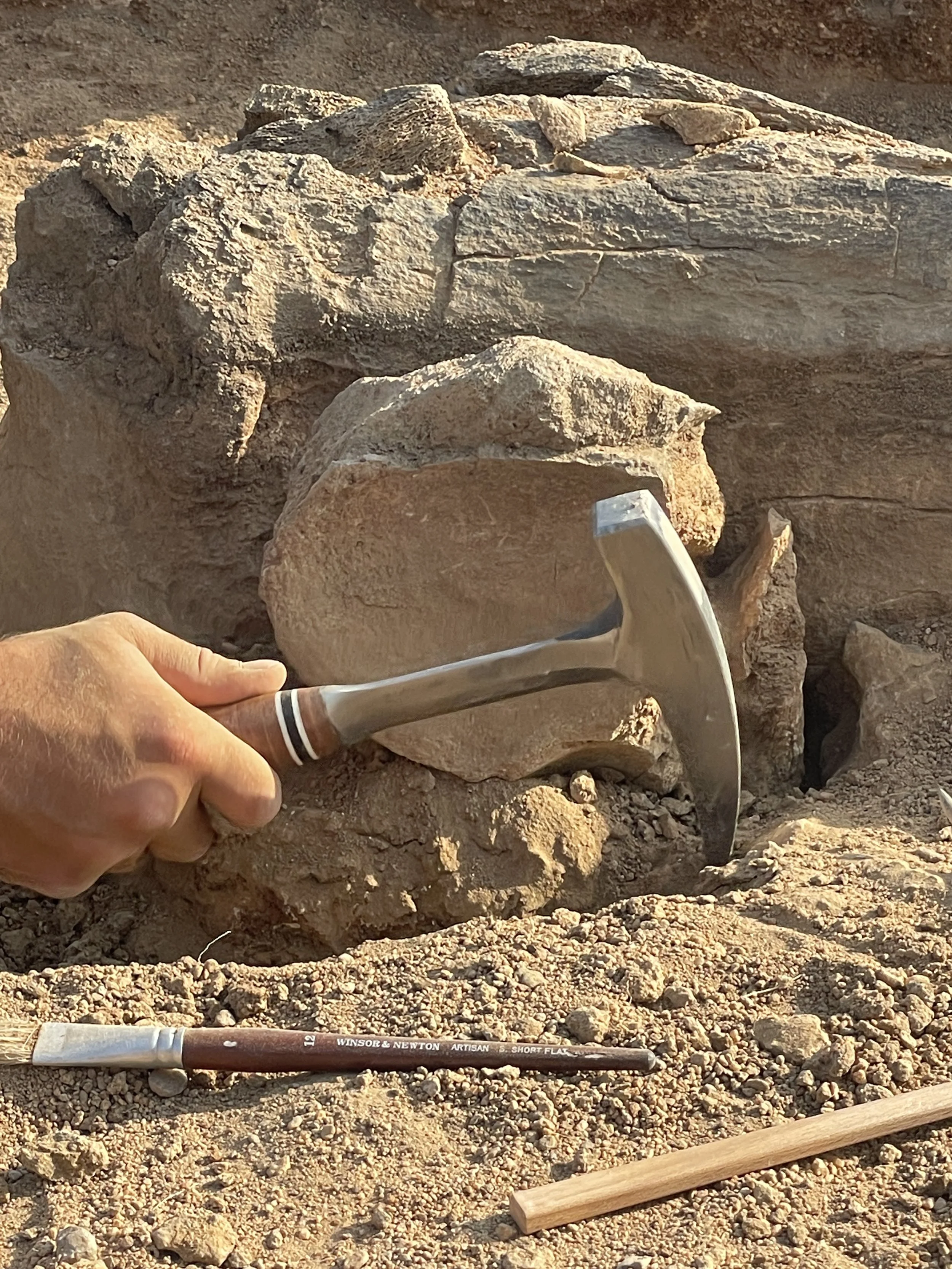
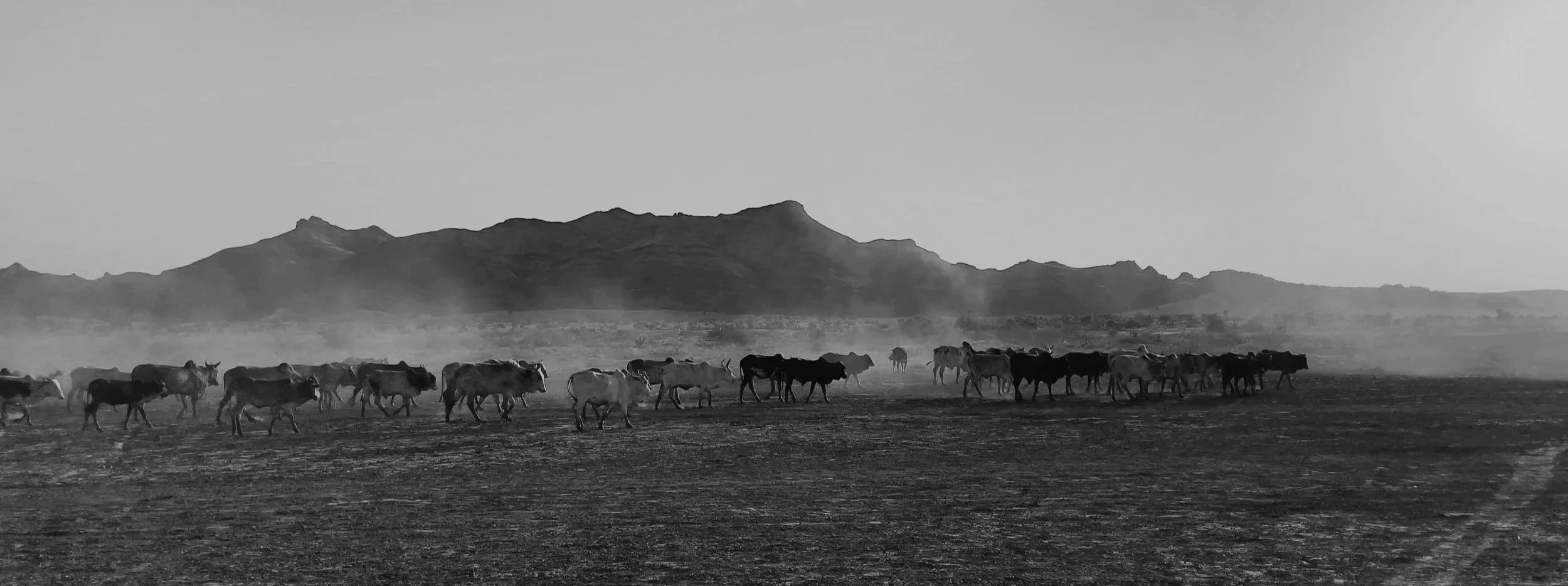
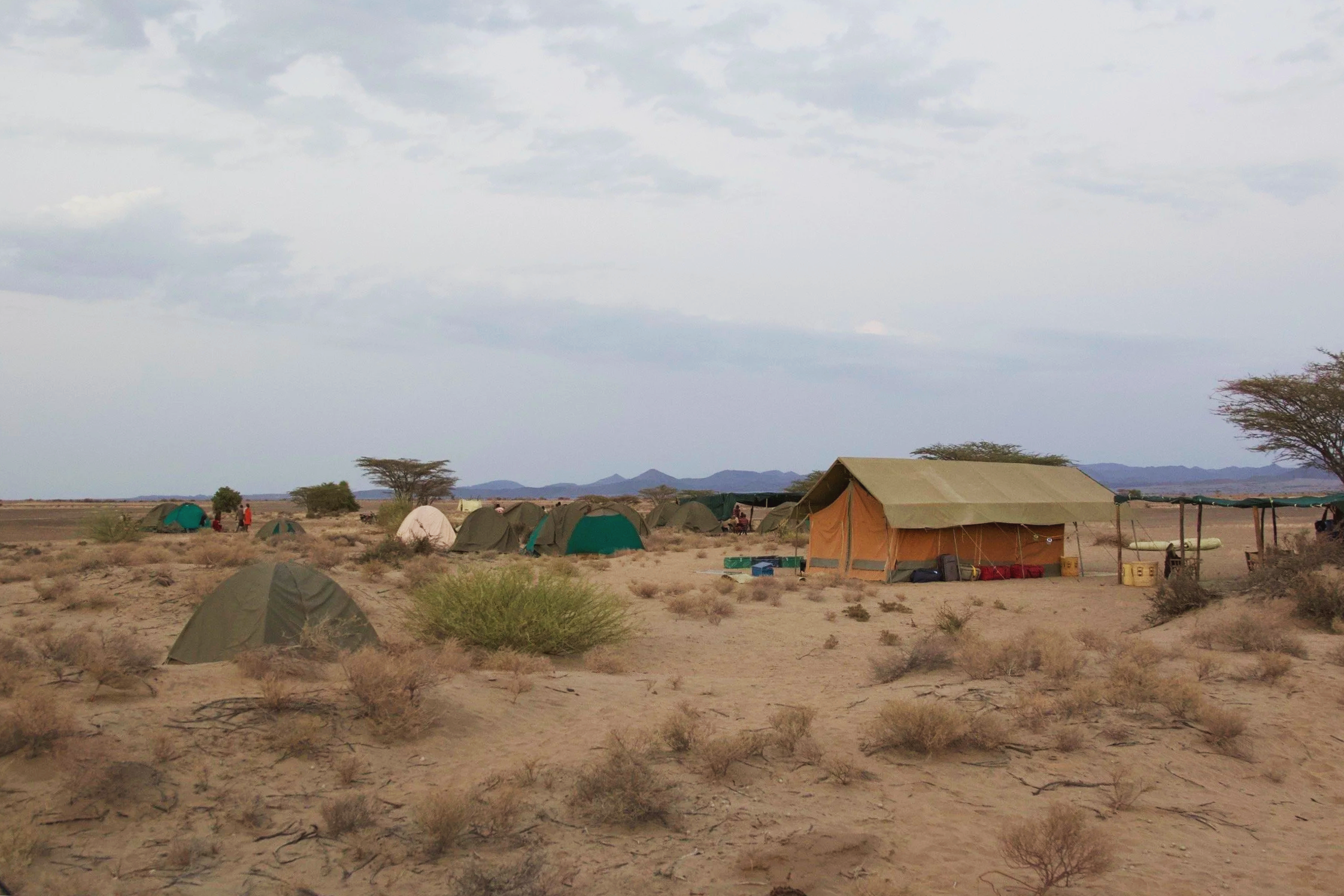
Photos From The Field: